










Interventions targeting radiologist factors may help reduce unwarranted variation in screening recalls.
Interventions targeting radiologist factors may help reduce unwarranted variation in screening recalls.

A total of 35 percent of cancers diagnosed after second-opinion review were not initially detected in the original interpretation.
Further study may determine if patient awareness can mitigate the underutilization of supplemental screening breast MRI.
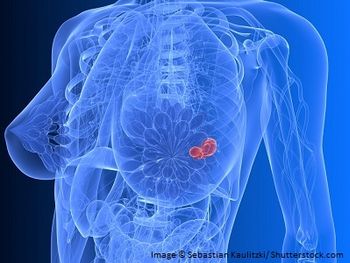
Follow-up procedures are ordered by clinicians largely because current tools often cannot provide diagnostic certainty in identifying cancerous breast masses.
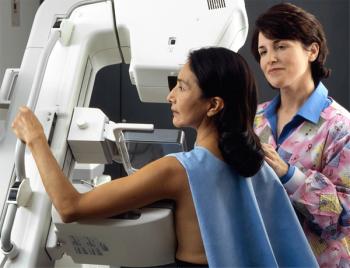
Imaging tests overused to diagnose pure breast pain among women.
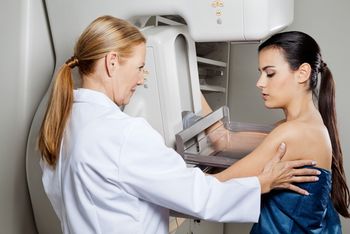
Screening mammography compliance often indicates if women will take advantage of other preventative services.

Adding double reading with arbitration to mammography screening improves cancer detection.

Combination screening finds more cancers, but more research needed to understand impact.
The drop in screening mammography after 2009 coincides with publication of the USPSTF screening guidelines.
Either automated or clinical BI-RADS may be used to inform women of their breast density.
Despite category 4 subdivision providing better positive predictive value for biopsies, they are not done often enough.
Type 1 overdiagnosis of breast cancer at screening is increasing as women age.
False positives from stereotactic vacuum-assisted breast biopsies do not appear to dissuade women from continuing with regular screening afterward.
Supplemental MR imaging for women at higher risk for breast cancer is not done frequently enough.
More interval breast cancers detected when screening mammography recall rates are low.
Magnetic resonance imaging screening is not consistent with guidelines for women at low to moderate risk for breast cancer.
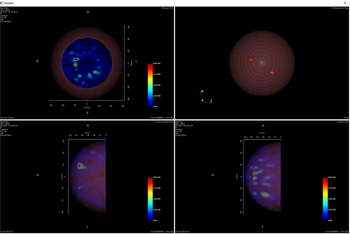
ECR 2018: Electromagnetic microwaves bring much-needed new weaponry to the arsenal of breast and stroke imaging.
Screening performance with MR imaging and mammography depends on breast cancer risk category.
An MRI procedure that does not use contrast agents may reduce the number of unnecessary breast biopsies.
Pretreatment MRI shows kurtosis may be promising biomarker for identification of triple-negative breast cancer.
Industry focus in mammography shifts away from image quality to considering the patient’s comfort during the exam.
Screening mammography based on cancer risk alone may miss many cancers.
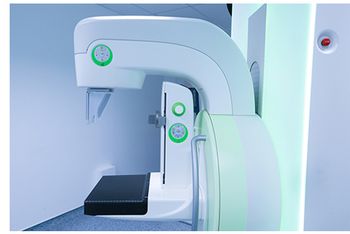
Supplemental imaging with CEDM may help detect cancer among women at high risk for cancer.
Using DBT as a screening tool does not significantly change BI-RADS category 3 classification.
The effect of high BMI on breast cancer screening frequency.