






Catch up on the top AI-related news and research in radiology over the past month.

In a recent interview, Markus Scherer, M.D., discussed emerging research, presented at the American College of Cardiology Cardiovascular Summit, which showed that coronary computed tomography angiography (CTA) was associated with a significantly higher likelihood of revascularization in comparison to other modalities or direct referral for invasive coronary angiography.

Catch up on the top AI-related news and research in radiology over the past month.

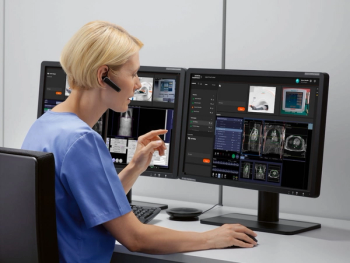
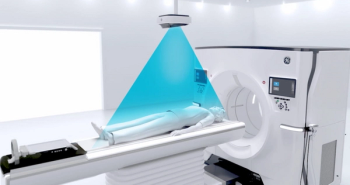
The syngo Virtual Cockpit platform reportedly enables remote access and image acquisition for CT, MRI and positron emission tomography (PET), and facilitates clinician collaboration across multiple sites.

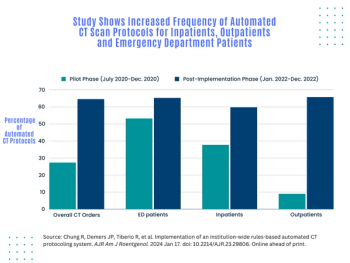
In a nearly two-year study of over 300,000 CT exams, researchers noted a 56.8 percent increase in the frequency of automated CT protocols for outpatient CT examinations.

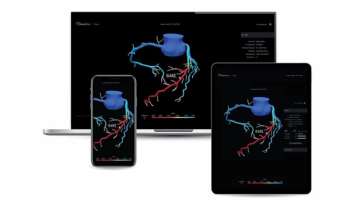
The new Category I CPT code reportedly facilitates a nearly 7 percent increase in reimbursement for use of the CT-based fractional flow reserve assessment of coronary blood flow.

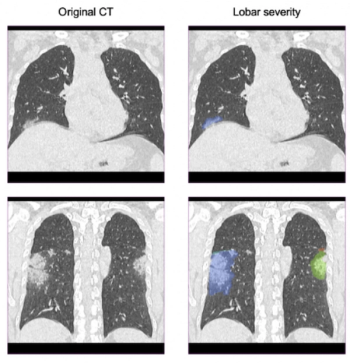
Reportedly offering improved delineation of pulmonary structures and greater accuracy with computed tomography (CT) values of pulmonary tissue, the artificial intelligence (AI)-powered LungQ 3.0.0. may facilitate enhanced precision and efficiency with interventional procedures such as lung volume reduction and ablation procedures.

Catch up on the top radiology content of the past week.

For patients with suspected interstitial lung disease, the digital biomarker solution Fibresolve offers machine learning capability of diagnosing idiopathic pulmonary fibrosis (IPF) based on assessment of lung computed tomography (CT) scans.

Utilized for neurological procedures including biopsies, catheter placement and electrode introduction, the SmartFrame OR Stereotactic System can be combined with preoperative MRI or CT to ensure optimal placement of devices and instruments.

Catch up on the top radiology content of the past week.

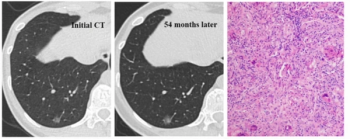
Patients with benign pulmonary absorbable subsolid nodules (AB-SSNs) have a greater frequency of nodules in comparison to those with non-absorbable benign subsolid nodules (NB-SSNs) and patients with malignant subsolid nodules (M-SSNs), according to a recent study of follow-up non-contrast CT exams in over 400 patients.

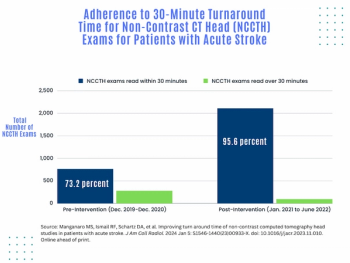
Modifications to the radiology workflow, including the use of a structured report template, improved adherence for 30-minute turnaround times for acute stroke head CT results from 73.2 percent to 95.6 percent, accordingly to new research.

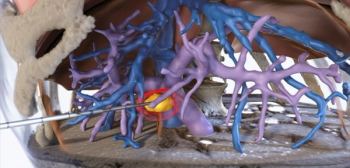
The BioTraceIO software reportedly facilitates visualization of liver tumor ablation procedures based on real-time ultrasound imaging and provides superior post-op estimates of ablation zone volume in comparison to computed tomography.

Catch up on the top radiology content of the past week.

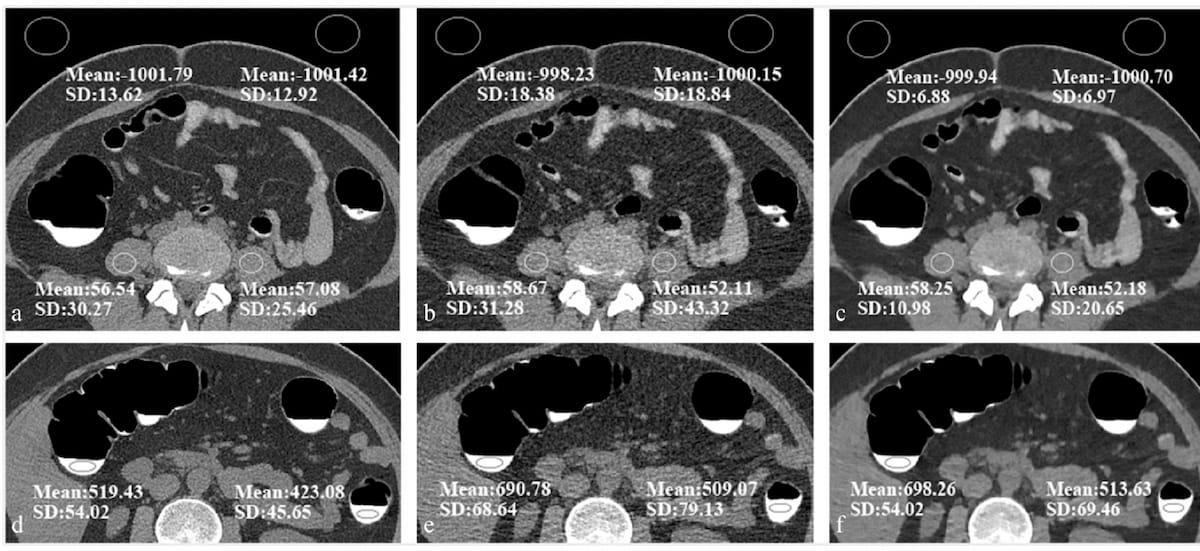
Given the essential role of X-ray filtration in computed tomography (CT) systems, this author discusses key principles and emerging advances with filters and spectral shaping to facilitate quality imaging and optimal radiation dosing.

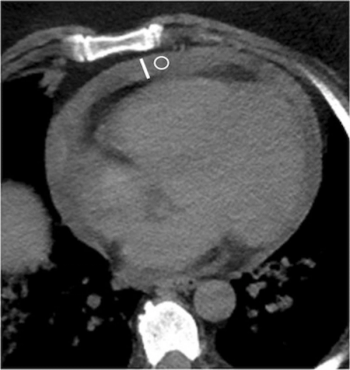
The presence of pericardial effusion on chest computed tomography (CT) was associated with a 56 percent higher 30-day mortality risk in men with COVID-19 but had no impact on the prognosis for women with COVID-19, according to newly published research.

Touching on a variety of topics in radiology, here are the top five most well-viewed content from Diagnostic Imaging in 2023.

Catch up on the most well-read computed tomography (CT) articles from 2023.

In a study examining the potential of the large language models ChatGPT-4 and Bard to follow ACR Appropriateness Criteria for breast cancer, lung cancer, ovarian cancer and colorectal cancer screening, researchers noted “impressive accuracy in making radiologic clinical decisions.”

Catch up on the top radiology content of the past week.

Catch up on the top AI-related news and research in radiology over the past month.

People who smoke marijuana and cigarettes have 12 times the risk for centrilobular emphysema than non-smokers, according to new computed tomography (CT) research presented at the annual Radiological Society of North America (RSNA) conference.

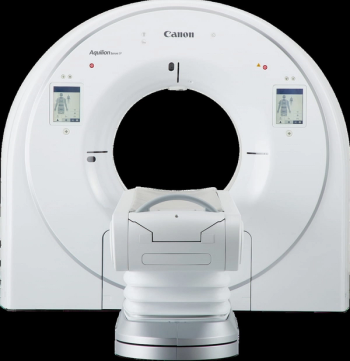
The Aquilion ONE/Insight Edition and Aquilion Serve SP computed tomography (CT) systems reportedly offer enhanced deep learning reconstruction and intuitive workflow efficiencies.

Catch up on the top radiology content of the past week.

With algorithms utilized in aerospace technology, the CT LVAS software reportedly provides enhanced assessment of regional airflow and lung ventilation.

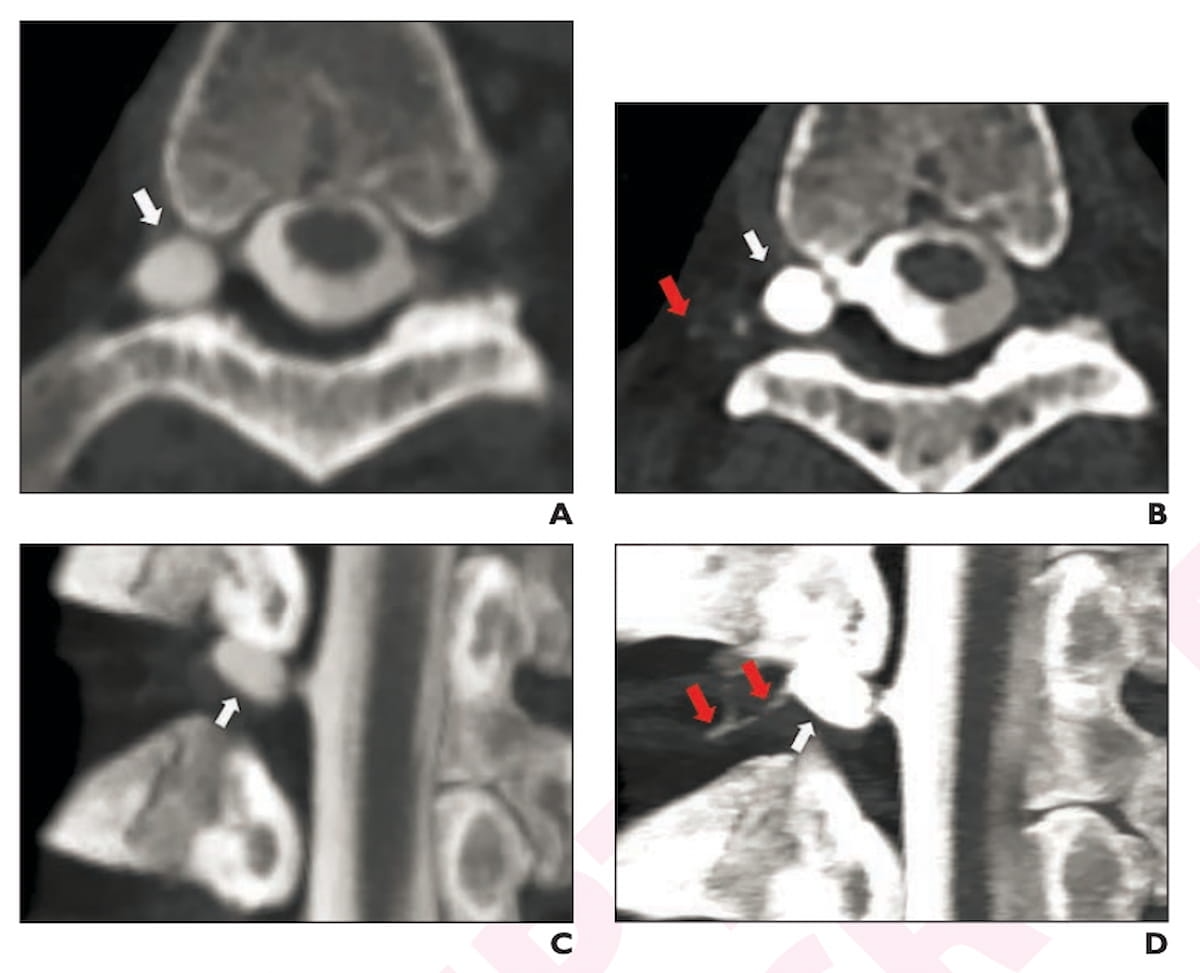
Utilizing computed tomography (CT) guidance, researchers have found that performing a minimally invasive anesthetic injection into the stellate ganglia may help address parosmia due to COVID-19, according to study results that will be presented at the annual Radiological Society of North America (RSNA) conference next week.