






Catch up on the top radiology content of the past week.

Catch up on the top radiology content of the past week.

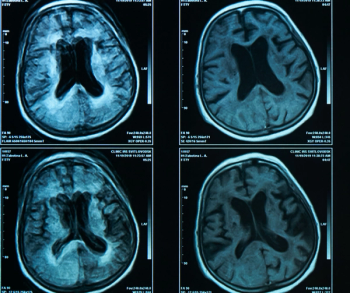
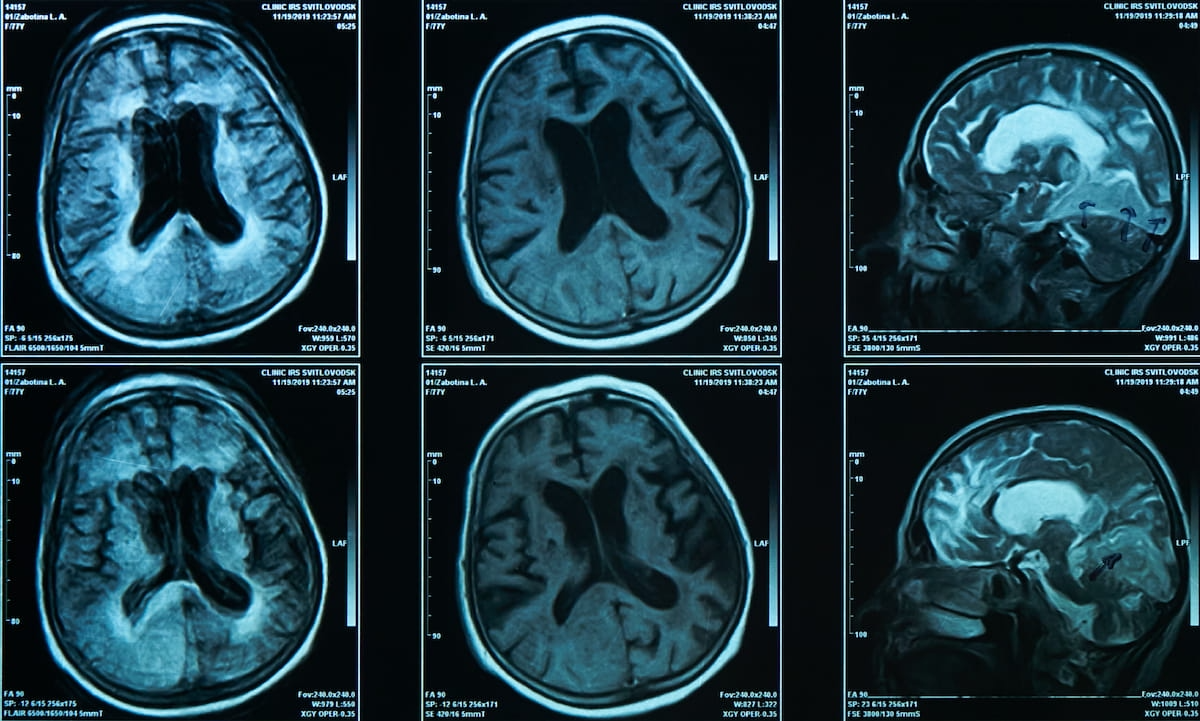
The artificial intelligence (AI)-powered Neuro Suite reportedly enables radiologists to access leading neurological AI algorithm solutions in the field, including the brain magnetic resonance imaging (MRI) segmentation capabilities of the Combinostics’ algorithm that can help differentiate degenerative pathologies such as Alzheimer’s disease and dementia.

Researchers suggested that overnight use of a power-save mode on outpatient magnetic resonance imaging (MRI) devices in the United States could reduce annual energy consumption by 76,288.2 megawatt hours (MWh) and add up to $10.7 million in cost savings.

Lamenting a lack of control over imaging requests from referring clinicians, this author suggests that a more collaborative approach between referrers and radiologists may facilitate more efficient use of imaging.

Catch up on the top radiology content of the past week.

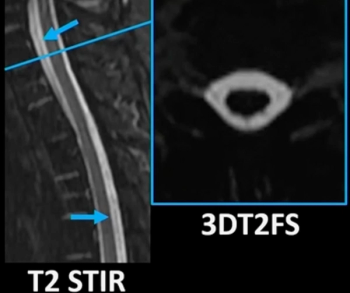
In a recent lecture at the American Roentgen Ray Society (ARRS) 2023 Annual Meeting, Andrew Callen, M.D., discussed a variety of imaging features associated with cerebrospinal fluid (CSF) leaks, the diagnostic utility of the Bern score as well as the merits of 3D T2FS MRI and dynamic computed tomography myelography.

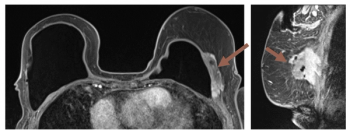
Given the increasing prevalence of breast reconstruction, researchers discussed key signs of common complications on magnetic resonance imaging (MRI), ultrasound and other imaging during a recent presentation at the American Roentgen Ray Society (ARRS) 2023 Annual Meeting in Honolulu, Hawaii.

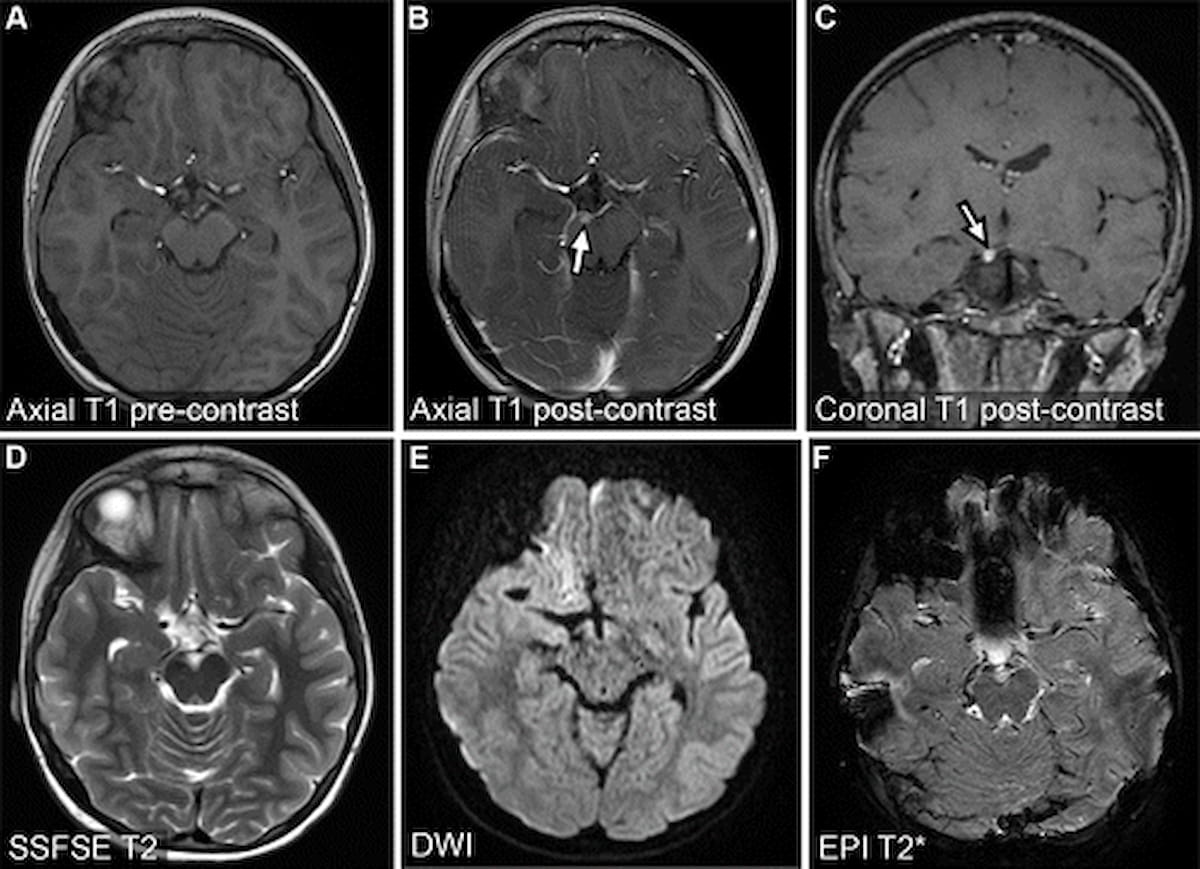
Three-dimensional (3D) slice-to-volume (SVR) fetal magnetic resonance imaging (MRI) has over six times the fetal optic pathway visualization rate of standard two-dimensional MRI, according to new research presented at the American Roentgen Ray Society (ARRS) 2023 Annual Meeting in Honolulu, Hawaii.

Catch up on the top radiology content of the past week.

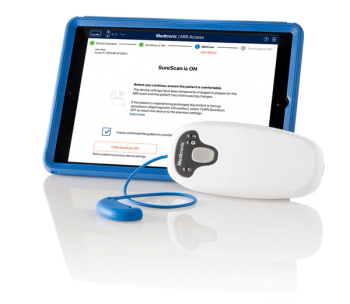
Offering built-in safety features and independent verification of magnetic resonance imaging (MRI) compatibility with cardiac devices such as pacemakers or implantable cardioverter defibrillator systems, the MRI Care Pathway app may enhance the efficiency of radiology workflows for MRI scans in patients with these devices.

Catch up on the top radiology content of the past week.

Researchers found that higher shift volumes, longer imaging interpretation times and weekend work were significantly associated with increased errors in neuroradiology.

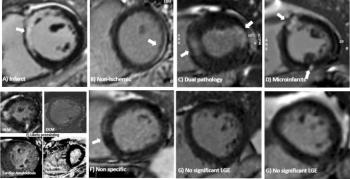
Consensus recommendations from the Society for Cardiovascular Magnetic Resonance provide pertinent insights on the unique abilities of cardiac magnetic resonance imaging (MRI) to provide optimal characterization of myocardial tissue and diagnosis of COVID-19-related myocardial injuries.

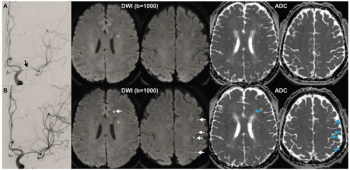
In the study of 119 patients who had endovascular treatment for intracranial atherosclerotic stenosis, multivariable analysis revealed that post-op ischemic brain lesions on diffusion-weighted magnetic resonance imaging (MRI) were 3.6 times more likely to occur in patients who smoke cigarettes and 2.9 times more likely in patients who had multiple operative attempts.

Catch up on the top radiology content of the past week.

Catch up on the top AI-related news and research in radiology over the past month.

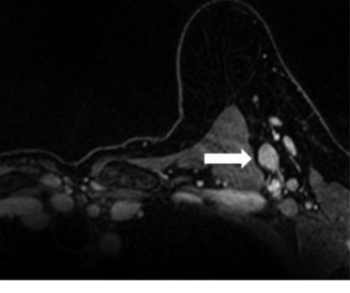
In a study of 128 patients who had breast magnetic resonance imaging (MRI) exams after COVID-19 booster vaccination, researchers noted that nearly 19 percent of the cohort had equal to or greater than 0.2 cm of increased lymph node cortical thickness.

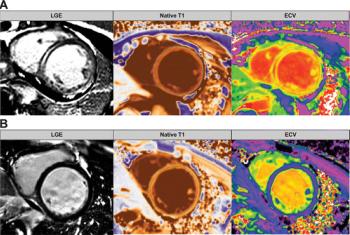
Emerging research suggests that cardiac MRI findings of late gadolinium enhancement, native T1 values and extracellular volume fraction may predict sudden cardiac death-related events in patients with nonischemic dilated cardiomyopathy.

Catch up on the top radiology content of the past week.

In a review of 555 neuroimaging-based artificial intelligence (AI) models for the diagnosis of psychiatric disorders, researchers found that nearly 72 percent of the AI models had an inadequate sample size and over 99 percent were insufficient at handling data complexity.

Catch up on the top radiology content of the past week.

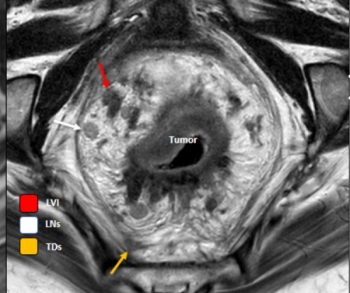
In a cum laude awarded presentation at the European Congress of Radiology (ECR), researchers discussed misconceptions and pertinent principles for magnetic resonance imaging (MRI) of patients with rectal cancer, ranging from the diagnosis of mucinous tumors to the impact of mesorectal fascia status for rectal cancer recurrence.

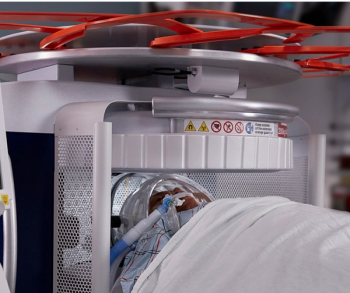
The new software for the Swoop® Portable MR Imaging system reportedly enhances the signal-to-noise ratio for diffusion-weighted imaging (DWI) sequences by 42 percent in comparison to the previous software.

New research from the American Cancer Society comparing pre-pandemic cancer screening prevalence to the second year of the COVID-19 pandemic in the United States showed a 1.1 million decrease in breast cancer screenings, a 4.4 million decrease in cervical cancer screening and a 600,000 decrease in prostate cancer screenings.

Catch up on the top radiology content of the past week.