








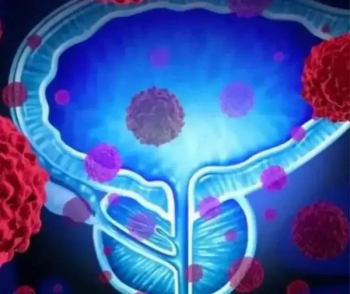
In an analysis of repeat prostate cancer screening, researchers noted no suspicious MRI findings for over 86 percent of men who had PSA levels of 3 ng/mL or greater at a second prostate cancer screening.
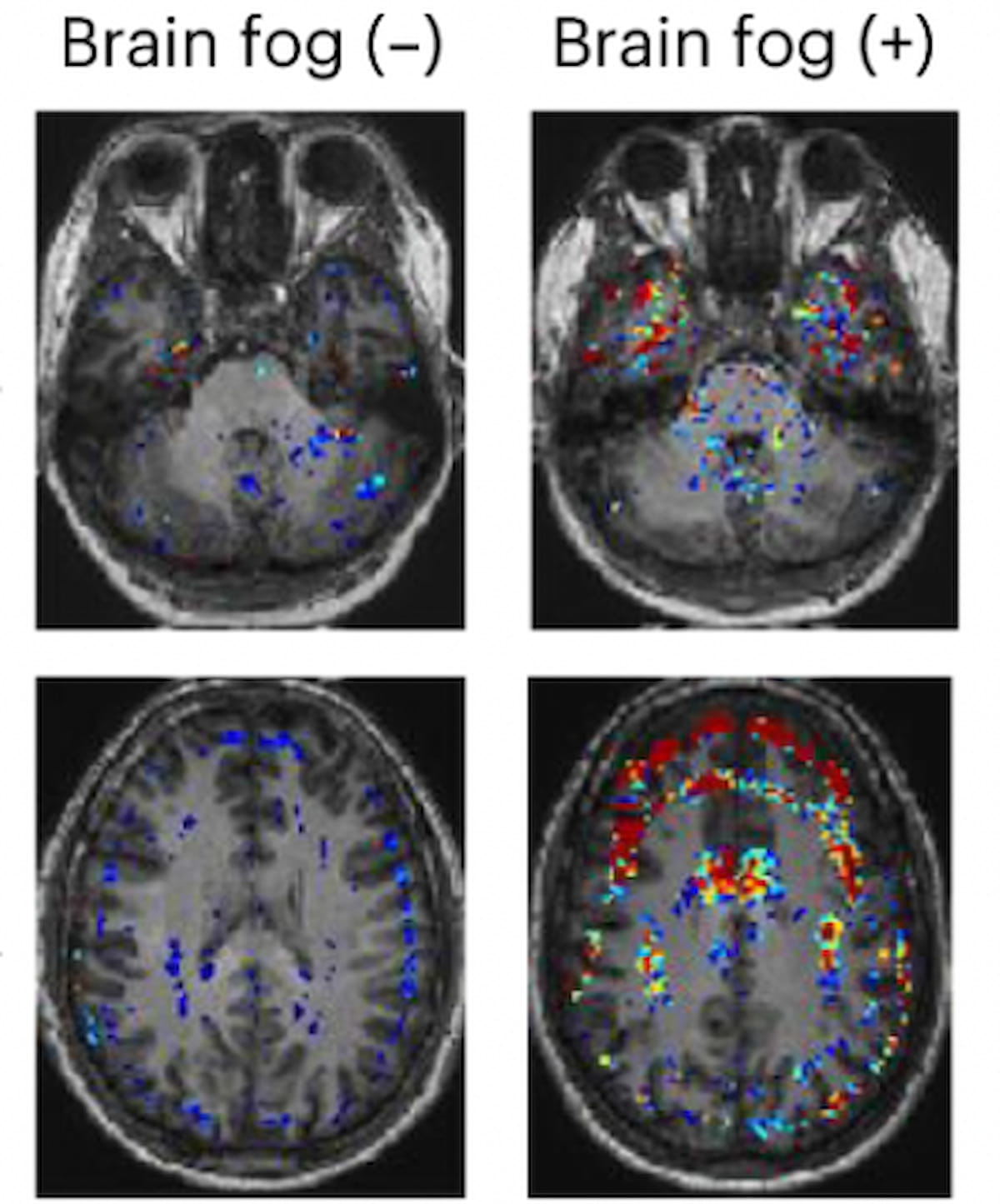
In an analysis of repeat prostate cancer screening, researchers noted no suspicious MRI findings for over 86 percent of men who had PSA levels of 3 ng/mL or greater at a second prostate cancer screening.
Catch up on the top radiology content of the past week.
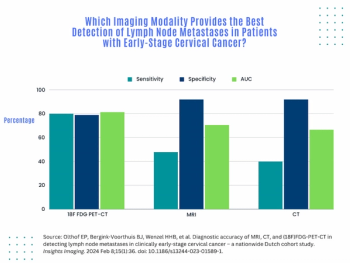
For the detection of nodal metastases in patients with early-stage cervical cancer, 18F FDG PET-CT offered a sensitivity rate that was double that of CT and 32 percent higher than MRI, according to newly published research.
Catch up on the top radiology content of the past week.

In contrast to high-school athletes from non-contact sports, adolescent football players had a variety of brain changes, including numerous areas of cortical thinning, increased sulcal depth and decreased coherence of neural signals in the frontal and medial regions, according to newly published magnetic resonance imaging (MRI) research.
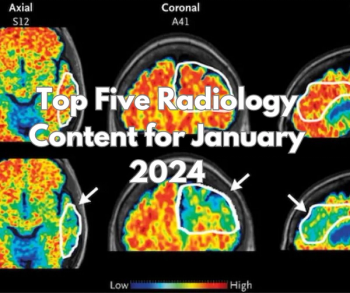
Catch up on the most-well viewed radiology content in January 2024.
A multivariable model that includes mpMRI and blood testing assessment of prostate extracellular vesicles had a significantly higher AUC and sensitivity rate than mpMRI alone for predicting clinically significant prostate cancer, according to research presented at the American Society of Clinical Oncology Genitourinary Cancers Symposium (ASCO-GU).
Catch up on the top radiology content of the past week.

Catch up on the top AI-related news and research in radiology over the past month.
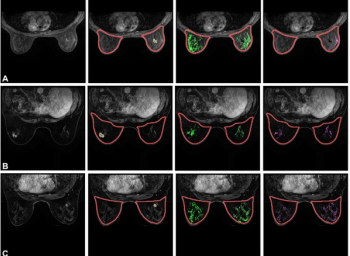
Researchers found that several measurements of background parenchymal enhancement (BPE) on dynamic contrast-enhanced MRI were linked to a 27 to 66 percent higher risk of breast cancer recurrence.
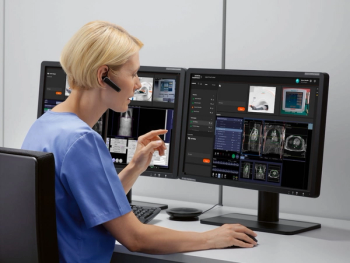
The syngo Virtual Cockpit platform reportedly enables remote access and image acquisition for CT, MRI and positron emission tomography (PET), and facilitates clinician collaboration across multiple sites.
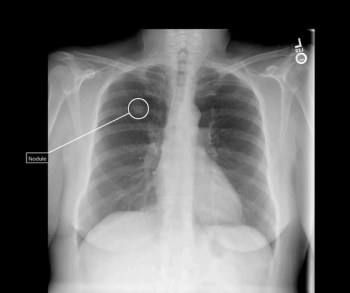
In a recently issued statement from multiple radiology societies including the RSNA and ACR, researchers offer practical advice for evaluating artificial intelligence (AI) tools, implementing AI into current workflows and monitoring of the technology to help ensure optimal benefit and effectiveness.
Catch up on the top radiology content of the past week.
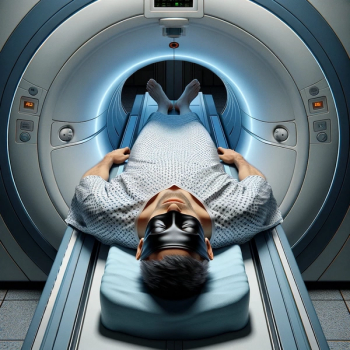
Given the frequent challenges in magnetic resonance imaging that are associated with claustrophobia, this author discusses innovations in noise reduction, radiofrequency coils and wide bore scanners, and emphasizes keys to relieving patient anxiety.

Utilized for neurological procedures including biopsies, catheter placement and electrode introduction, the SmartFrame OR Stereotactic System can be combined with preoperative MRI or CT to ensure optimal placement of devices and instruments.
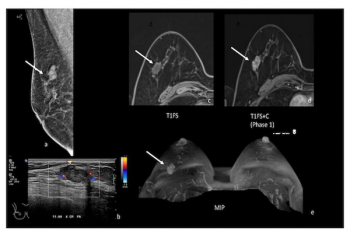
For women with dense breasts, abbreviated breast MRI and digital breast tomosynthesis (DBT) both offered greater than 98 percent sensitivity rates and greater than 94 percent negative predictive values (NPVs) for breast cancer detection, according to newly published research.
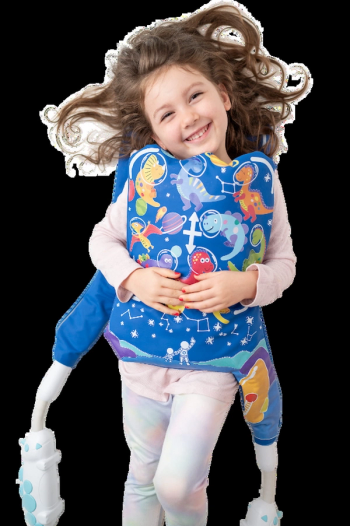
Featuring a lightweight body contouring design, the Small Body Array reportedly facilitates optimal signal-to-noise ratio (SNR) and between 10 and 40 percent faster throughput.
Catch up on the top radiology content of the past week.

Utilizing brain MRI and cognitive assessments, the newly FDA-approved, AI-powered software platform BrainSee can reportedly predict the progression of amnestic mild cognitive impairment (aMCI) to Alzheimer’s dementia within five years.
Catch up on the top radiology content of the past week.
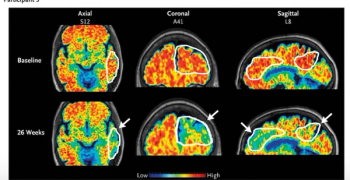
In a recent proof-of-concept trial assessing the combination of aducanumab infusion with MRI-guided focused ultrasound to open the blood-brain barrier, researchers found significant reductions in amyloid-beta load at 26 weeks in patients with Alzheimer’s disease.
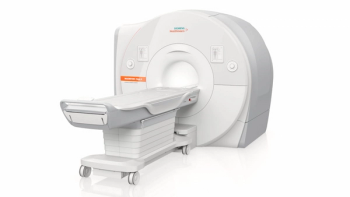
At an amplitude of 200 mT/m and a slew rate of 200 T/m/s, the gradients for the FDA-cleared MAGNETOM Cima.X are reportedly the strongest for currently available whole-body MRI scanners.
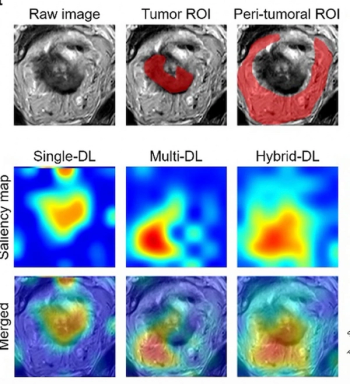
An emerging deep learning model, which incorporates T2-weighted MRI and clinical data, demonstrated an 83.9 percent AUC and an 85 percent specificity rate for preoperative prediction of tumor deposits in patients with rectal cancer.
Catch up on the most viewed content on AI in radiology from 2023.
Touching on a variety of topics in radiology, here are the top five most well-viewed content from Diagnostic Imaging in 2023.