


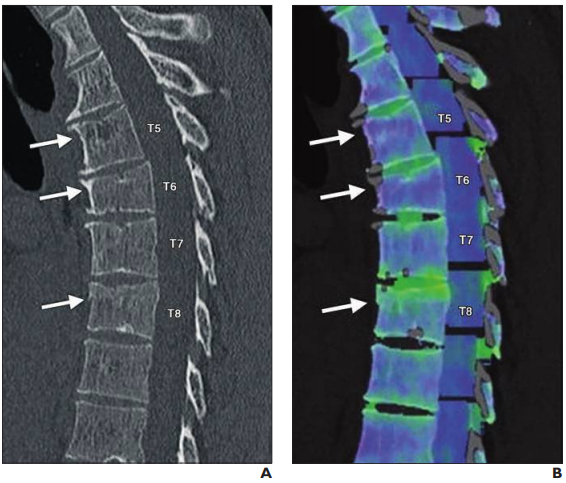










Women with breast cancer who have the most arterial calcium accumulation are nearly four times more likely to develop cardiovascular disease.
Women with breast cancer who have the most arterial calcium accumulation are nearly four times more likely to develop cardiovascular disease.

Concerns about CT dose levels could lead providers to overlook findings, especially in pregnant patients.

Michael Gotway, M.D., cardiopulmonary radiologist with the Mayo Clinic, discusses the signature signs of EVALI on CT scans in this podcast.
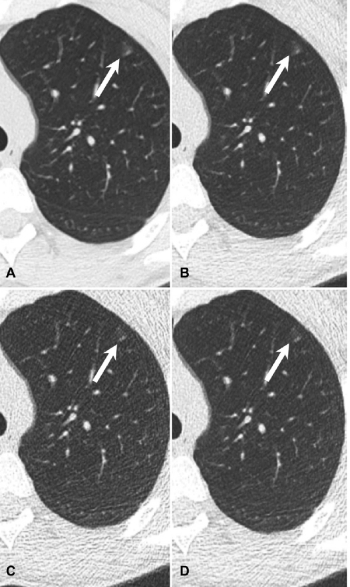
Dropping National Lung Cancer Screening radiation dose by two-thirds can yield images of diagnostic quality of solid lung nodules.

Convolutional neural network can rapidly detect large vessel occlusions present in most ischemic strokes.

Men in this patient group are less likely to have a PET scan with the radiotracer that performs the best.

Advanced imaging shows Parkinson’s can begin as brain-first or body-first.

PET/MRI vs. PET/CT; Abdominal CT and COVID-19; Chest MRI vs Chest CT; Expert Interpretations of Endometriosis; and Delayed Breast Cancer Treatments for African American Women
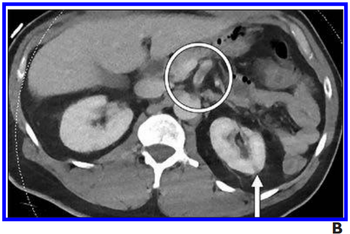
Thromboembolic findings in the abdomen and pelvis appear more often in patients with viral infection.

Chest MRI picks up the same characteristics of COVID-19 pneumonia that are seen on chest CT, making it a good alternative without the radiation.
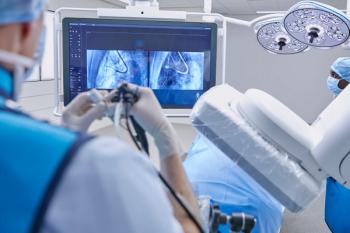
Azurion Lung Edition is supports precision diagnosis and minimally invasive therapy in one room.
Findings captured during emergency scans intended to pinpoint stroke can reveal viral infection.
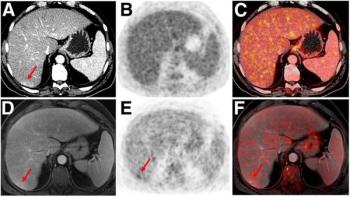
PET/MRI detects more lesions with less radiation, making it a great option for pediatric patients.

Rethinking CMR during COVID-19; Abdominal Imaging and COVID-19; Mental Health Impacts of COVID-19; African American and Lung Cancer Screening; Plus, African American Women and Disadvantages in Breast Cancer Screening
Low-dose CT scans could catch more cancers if the lung cancer screening threshold were dropped to a history of 20-pack-years.
Nearly 20 percent of patients infected with the virus show up with gastrointestinal – but no respiratory – complaints.

Improving patient communication not only augments patient understanding of their radiation exposure with imaging studies, but it bolsters trust in their healthcare providers, as well.

Portable, Low-field MRI; COVID-19 and Cardiac MRI; High-Intensity Focused Ultrasound; Coronary CTA Guidance; and Pediatric Advanced Imaging Utilization
Point-of-care, 64mT MRI performs as well as conventional CT and MRI while improving patient safety.
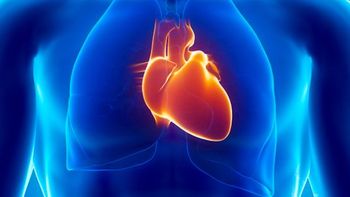
The American College of Cardiology recommends the United States join Europe in using this test first with this patient population.

Chest CT for COVID-19 Diagnosis; COVID-19 Neuroimaging Patterns; Radiologist COVID-19 Stress; Accelerated MRI NYU Langone Health and Facebook AI Partnership
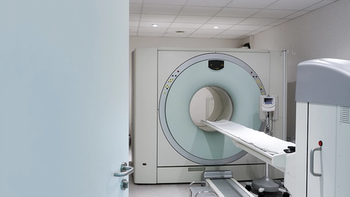
CT use has declined precipitously with pediatric appendicitis patients without a significant change in negative appendectomy rates.
Findings from a French study contradict recommendations from the American College of Radiology and the international community against using chest CT scans an initial tool for viral diagnosis.

PET/CT brain scans of the enzyme aromatase could help providers pinpoint which patients will struggle with obesity and self-regulation.

Grassroots group points to substantial clinical evidence of safety in call for agency to remove the warning.