










The dual-layer platform can identify malicious instructions from a host computer.
The dual-layer platform can identify malicious instructions from a host computer.

Past RBMA President Christie James, American College of Radiology Commission on Economics Chair Greg Nicola, M.D., and Revenue Cycle Coding Strategies President Melody Mulaik discuss the radiology revenue cycle management challenges and solutions of the pandemic.

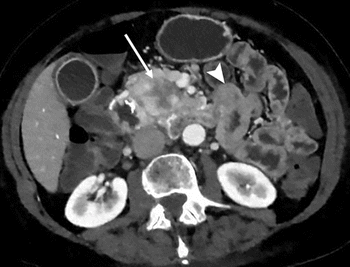
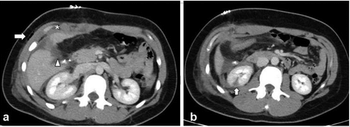
Drops in emergency department use and referrals for abdominal CTs have led to worsening prognoses for patients with abdominal pain.
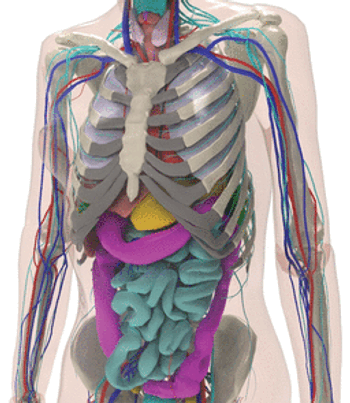
Virtual simulation models can help identify the best ways to use different modalities to improve patient care during the pandemic.
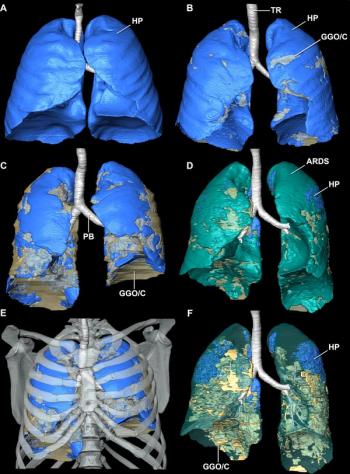
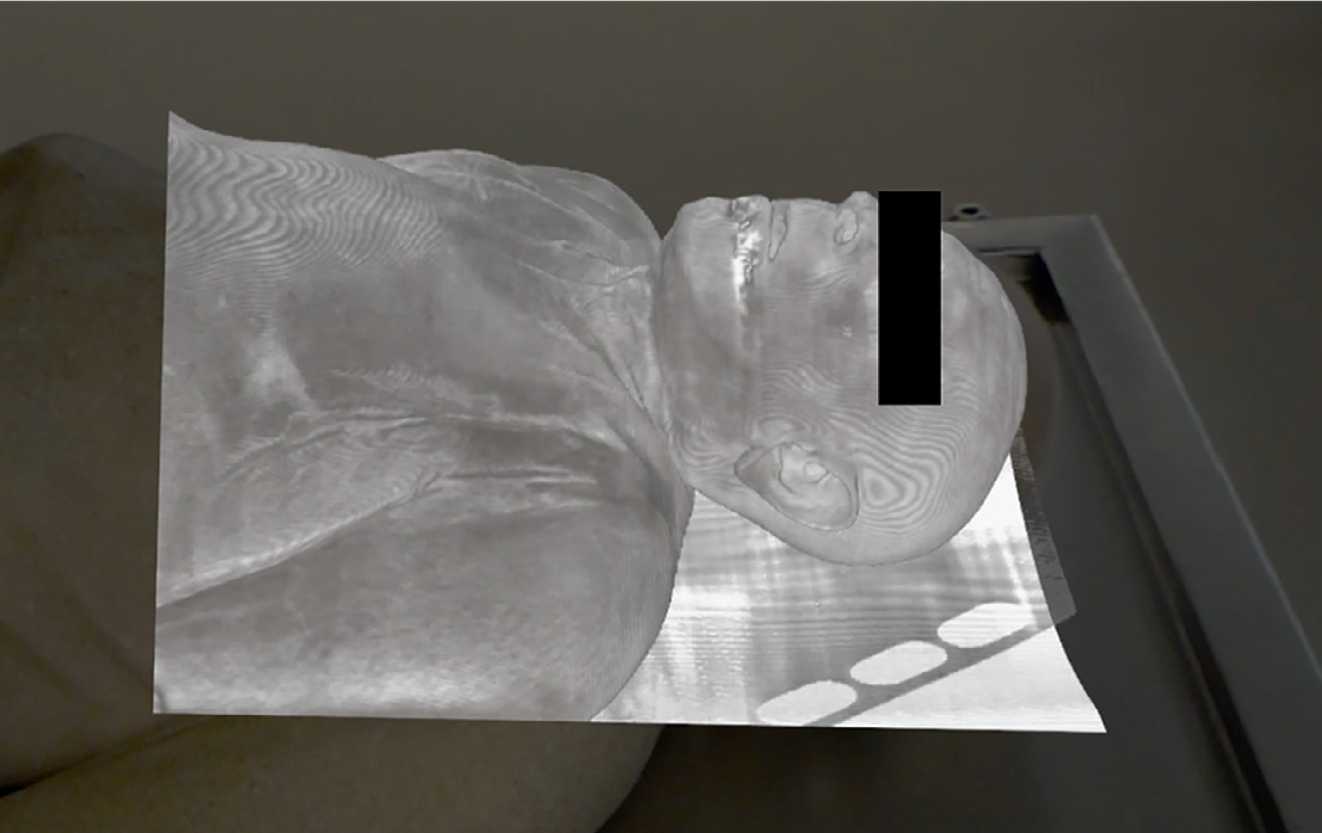
Radiologists have teamed up with evolutionary anatomy scientists, using methods that investigate bird and reptile lungs, to better visualize viral infection in people.

CT and heart attack prediction; lagging outpatient imaging volume recovery; equivalent thoracic MRI performance with COVID-19 pneumonia; and CT colonography during COVID-19
Both radiology residents and attending providers make more interpretive mistakes during evening and overnight hours.

Across racial and gender groups, CT scans that measure coronary artery calcium can more accurately predict the 10-year risk for heart attack.
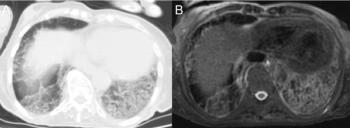
MRI offers high sensitivity and specificity, as well as positive and negative predictive value in detecting infection without the radiation.

Imaging volumes fell farther across most modalities in outpatient imaging centers and are taking longer to rebound.
The University of Cincinnati launched a 10-week program that led the department back to roughly 100-percent pre-COVID-19 levels.
Severe intimate partner violence is five-fold higher this year than in the previous three – radiologists have the opportunity to proactively identify at-risk patients.

Abbreviated MRI; Low-Field Cardiac MRI; Contrast-Enhanced Breast Imaging; Obesity and Alzheimer's; and Neuroimaging and COVID-19

Referring physicians will have until after 2021 to adopt appropriate use criteria and clinical decision support.
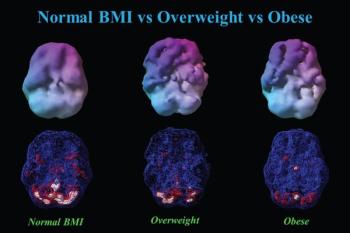
Brain imaging shows blood flow to the brain progressively reduces as a person’s weight increases, promoting the development of Alzheimer's.
Pediatric Imaging Increase, Appropriate Use Criteria, Radiology Residency Pandemic Branding, Snapchatting Emergency Images
Medical imaging and data center will support development of artificial intelligence and medical advancements during the pandemic.
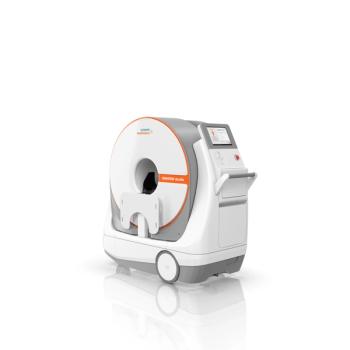
U.S. Food & Drug Administration grants 510(k) clearance for SOMATOM On.site.

Emergency providers are utilizing more ultrasound and MRI scans, fewer CTs.
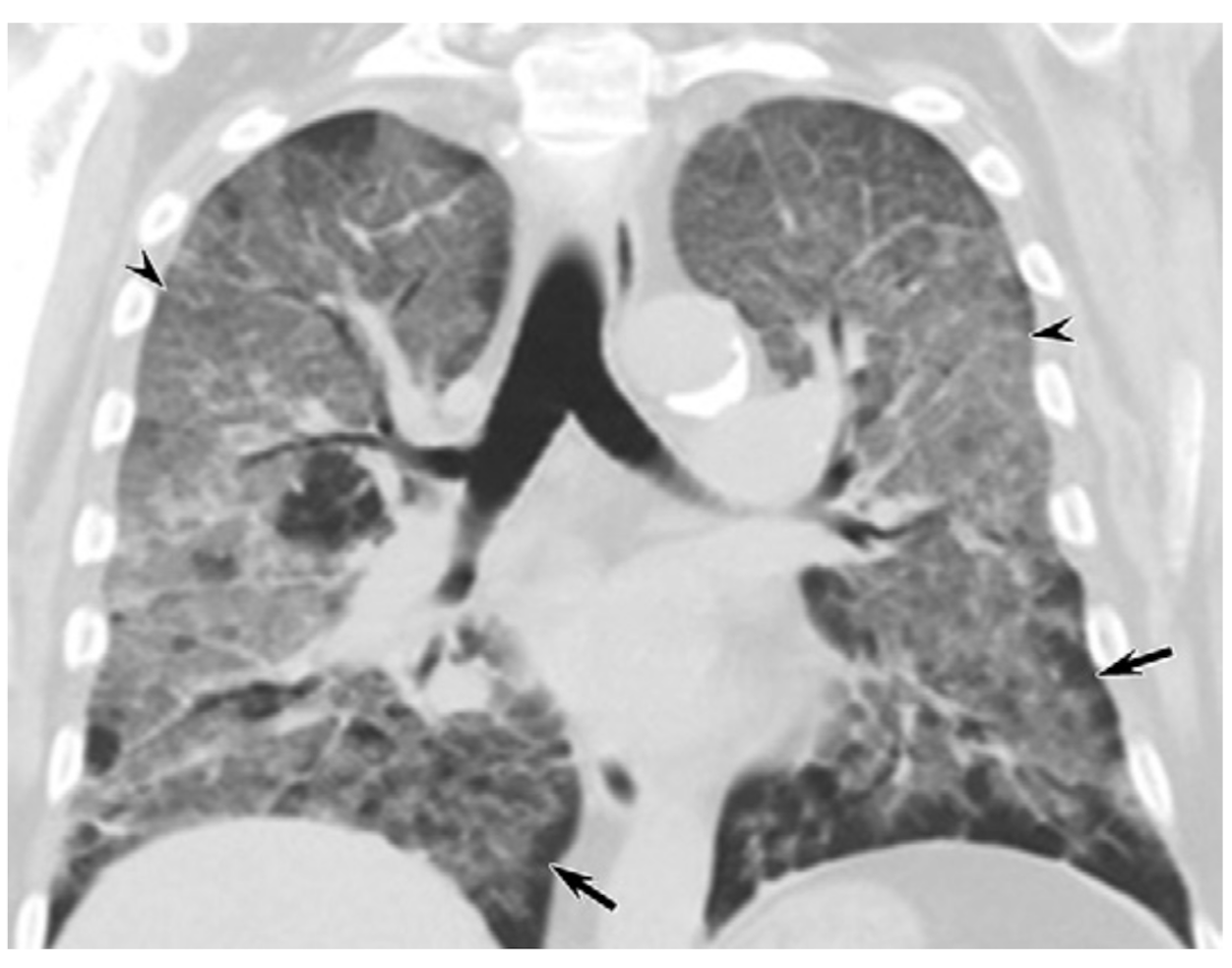
A team of international experts published seven recommendations for the use of chest imaging in the diagnosis and management of COVID-19-positive patients.

COVID-19, Stroke, and Heart Damage; Limitations of Digital Breast Tomosynthesis; Guidance for Pediatric CTA; and Micro-Ultrasound and Prostate Cancer
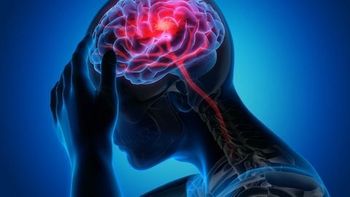
Clinicians should adopt a lower threshold for evaluating patients for stroke and providing care.
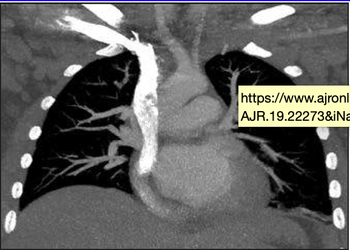
Understanding the underlying principles and details of CTA can help optimize dose and improve diagnostic quality for pediatric patients.

Almost all studies and modalities have seen significant declines in payment since 2007.
Features can be used to pinpoint which patients will most likely be admitted to the ICU, as well as patient outcomes.