












What is your Dx?
What is your Dx?

Here's what to expect this week on Diagnostic Imaging.
Results show screening adherence is low among patients who could benefit most from scans.
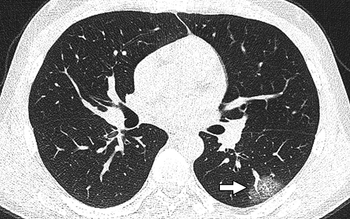
The use of soft-tissue biomarkers identified on chest CT can be a reliable way to accurately assess risk.

Here's what to expect this week on Diagnostic Imaging.
Impact felt the most in specialties with high screening rates, least in interventional radiology.

QCT can pick up on small airway changes in smokers that are not yet visible on CT scans.

Images show greater rates of emphysema in individuals who smoke marijuana than in those who smoke tobacco-only cigarettes or non-smokers.

The latest products released on the market for Quarter 1 2021.
Here's what to expect this week on Diagnostic Imaging.
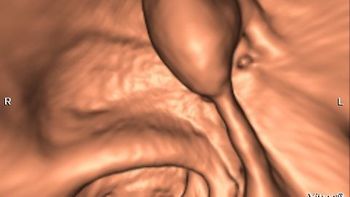
The 2016 recommendation has led to a significant increase in the use of the non-invasive exam.
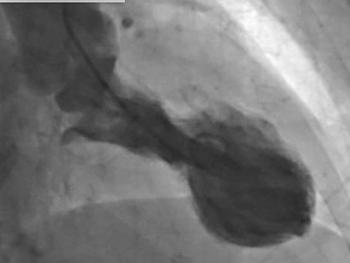
Increased stress-related brain activity in the amygdala can increase a patient's risk for Takotsubo syndrome.
Chest X-ray and Chest CT for TB Detection; Contrast-Enhanced Mammography for Women with Breast Implants; Risk-Based Approach to Optimizing Mammography During Crisis; Plus, Natural Language Processing for COVID-19 Case Volume Prediction
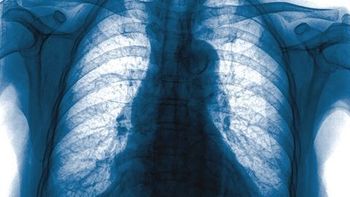
Decline in number of TB cases is slowing in the United States, making timely identification critical.
Here's what to expect this week on Diagnostic Imaging.
COVID-19 Machine Learning Models Not Ready for Clinical Use; CT Colonography Tops Colorectal Cancer Detection; Radiology's Environmental Impact; Plus, DBT in Academic and Community Settings

Algorithm is designed to automate heart ventricle measurements.
Study finds hundreds of COVID-19 machine learning models are riddled with flaws, making them unreliable.
This correlation can help providers pinpoint which patients will develop more neurological abnormalities, helping them plan interventions to improve outcomes.
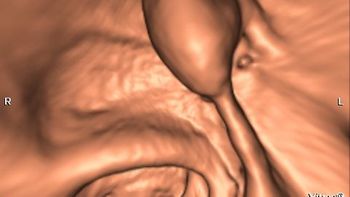
Compared with stool-based non-invasive screenings, CT colonography performs best for colorectal cancer screening and detection.

Radiology’s contribution to climate change is larger than you might think, but that can be mitigated.
USPSTF lung cancer screening recommendation update; Cancer screenings and COVID-19; and CT and unintentional weight loss.
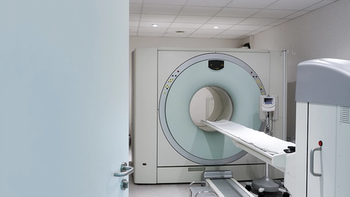
Cumulative radiation dose exposure is a concern for this group.

Scans are useful in identifying causes of nearly half of patients in the emergency department who have unintentional weight loss.
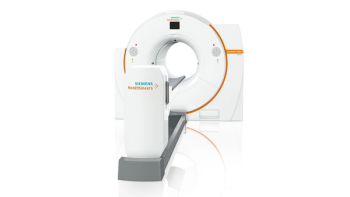
The PET/CT scanner allows simultaneous whole-body imaging from top of the head to thigh.