
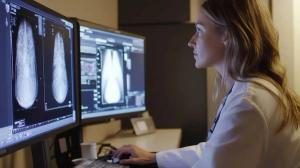

What does this radiograph reveal?
What does this radiograph reveal?
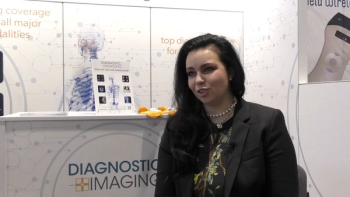
During the pandemic and beyond, working from home as a radiologist can present clear work-life advantages.
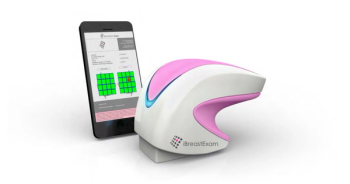
The iBreastExam, a handheld device cleared by the FDA, reportedly enhances routine clinical breast examinations.
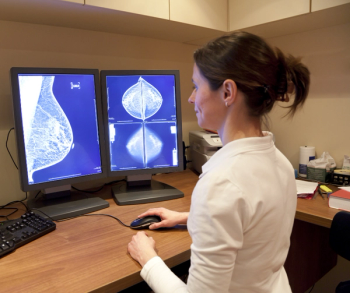
While digital breast tomosynthesis is reportedly more effective at detecting cancer, new research suggests a higher recall rate due to fatigue and less experience in interpreting the images.
Would rad group employers consider a compensation model that offers a compromise between productivity-driven renumeration and a reasonable “floor” in the event of downtime?
Much more than a minimum bar to meet, standardization is our foundation for elevating the level of care and outcomes for all patients.
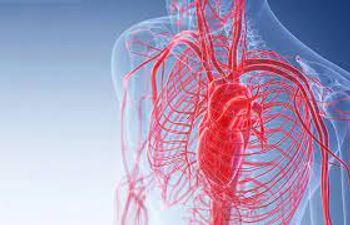
New research suggests an emerging machine learning model that combines findings from advanced imaging with clinical data may improve risk stratification in people with coronary artery disease.

Can you make the diagnosis?
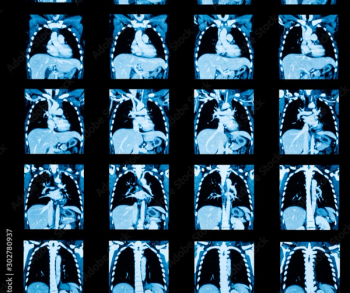
Code for quantitative CT tissue characterization goes into effect on July 1.
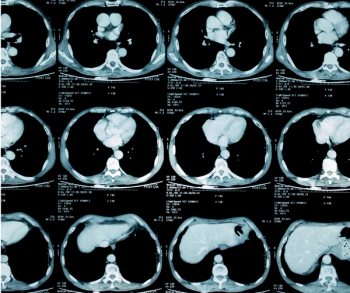
Emerging research suggests that strict adherence to the Lung-RADS classification may not lead to optimal detection of cancer.

A lack of flexibility in nailing down the final details of a radiology employment contract can put employers back at square one in the hiring cycle.
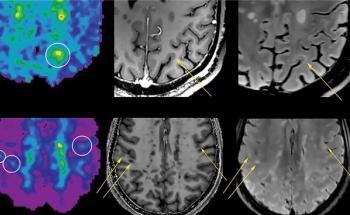
Researchers found the use of magnetic resonance spectroscopic imaging revealed pathologic evidence of multiple sclerosis that is not evident on T1 or T2-weighted MRI.
What type of deformity do you see on this image?
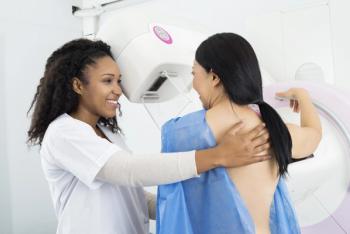
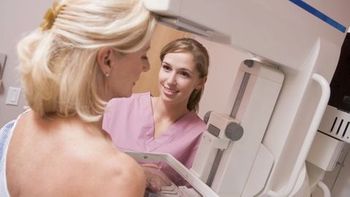
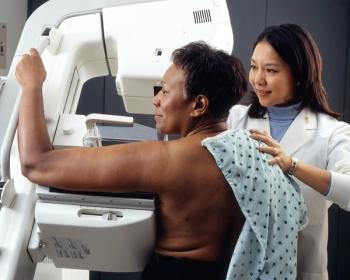
Emerging solutions for improved efficiency, patient comfort and image quality may ease the strain of increased patient volume as women catch up with mammography screenings that were delayed or put off during the COVID-19 pandemic.

Expanded MRI labeling for Abbott’s Proclaim™ XR Spinal Cord Stimulation System may facilitate increased efficiency and quality of MRI scans.

What type of arthropathy is seen on this image?

Does it pay to use outside recruiters or should rad groups handle this function internally to attract the best hires?
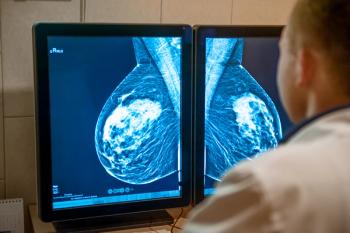
Given the broad range of fibrocystic changes, the authors of a recent study suggest that more precise diagnosis of breast MRIs could significantly reduce unnecessary biopsy procedures.
Abundance of seven-day workweek positions seems out of touch for recruiting radiologists.
Study findings suggest that assessment with the simpler and more commonly available non-contrast computed tomography (CT) may widen the indication for treating patients in the extended window.
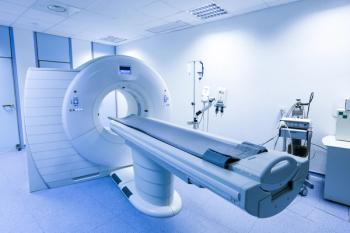
A new study suggests that patients with negative RT-PCR tests who are suspected of having COVID-19 may benefit from chest computed tomography (CT), which could help identify early stages of the disease.

Review our most popular Image IQs of 2021 and test your radiology knowledge!
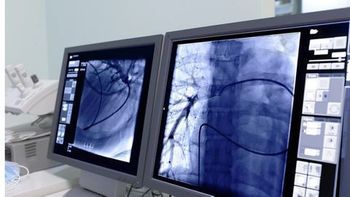
Are systemic changes in product innovation needed to address suboptimal workflows in radiology?

A 43-year-old male presents for suspected PE evaluation. What is the diagnosis?
Canon's latest entry into the PET/CT market is a digital, air-cooled system that provides customizable solutions for a range of clients.
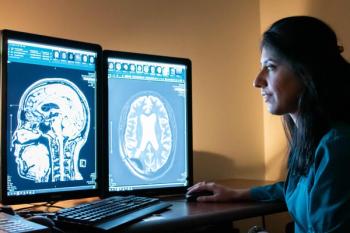
With reports of increased productivity and reduced burnout, teleradiology may rapidly become the new normal.

Will this artificial intelligence technology improve diagnostic accuracy and reduce false positive biopsy orders?
What lesion is indicated by the arrows?
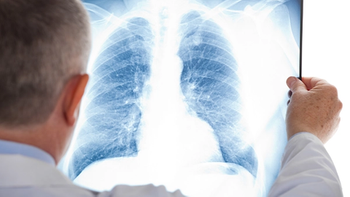
A variety of imaging experience can open doors to new career opportunities, but subtle communication tips can be key to landing your next job.
A new meta-analysis examines the diagnostic benefit of this emerging complementary modality.