
What is your diagnosis?
What is your diagnosis?
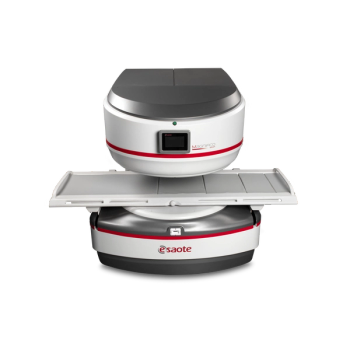
The new whole-body magnetic resonance imaging (MRI) platform reportedly offers enhanced image quality and increased patient comfort.

When unexpected curveballs lead to a paralysis of analysis by teams, having a small subgroup in place with executive authority can have a genuine impact.
Richard Duszak, MD, and Mina Makary, MD, discuss a number of issues, ranging from demographic trends and NPRPs to physician burnout and medical student recruitment, that figure to impact the radiology workforce now and in the near future.

Multidisciplinary collaboration between innovators in two seemingly disparate fields have led to significant advances.
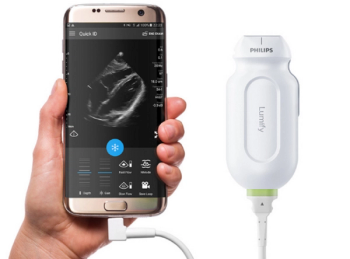
In addition to newly added advances with hemodynamic assessment and obstetric measurements, Lumify also offers a B-line quantification tool and AI-enhanced algorithms that may bolster ultrasound lung imaging in severe COVID-19 cases.

What is your diagnosis?
Educating distinct stakeholders on the quality of your radiology services will be essential to surviving the price transparency wars.
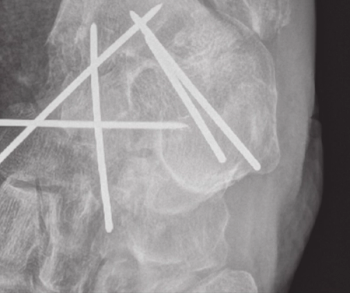
The artificial intelligence (AI)-based technology reportedly facilitates optimal contrast-to-noise ratios with medical imaging.
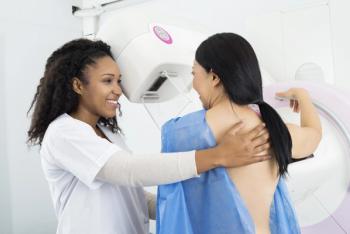
Emerging research suggests that mammograms should not be delayed for women who develop unilateral lymphadenopathy after receiving COVID-19 vaccines, and that follow-up imaging is unnecessary for patients who have no history of cancer or suspicious concurrent symptoms.

What is your diagnosis?
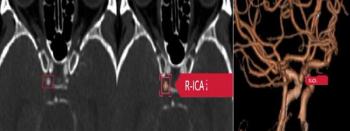
Researchers say the complementary use of artificial intelligence may significantly improve the accuracy of radiologists in diagnosing intracranial aneurysms.
Complacency can be subtle and costly for one's career.

The portability and durability of the device may make it an emerging option for bedside imaging.
What is your diagnosis?

Cloud migration, teleradiology and enhanced patient access to medical records could emerge as dominant trends in radiology this year.
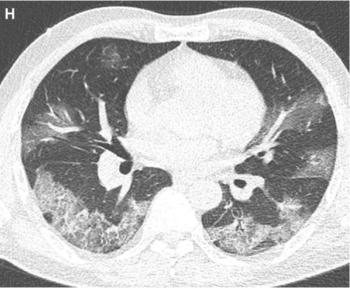
In a recently published study involving hospitalized patients with COVID-19, researchers compared chest CT findings of vaccinated, partially vaccinated, and unvaccinated patients.
In an exclusive video interview with Diagnostic Imaging, Josh Cooper, vice president of congressional affairs for the American College of Radiology (ACR), and Thomas Hoffman, vice president of legal for the ACR, discuss the ACR’s lawsuit over the IDR process of the No Surprises Act and the potential impact of the law on reimbursement and patient access to care.
What is your diagnosis?
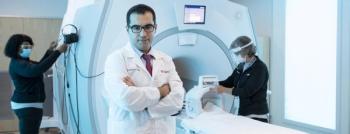
Are we defined by self-imposed limitations or our adaptability to changing circumstances?
What is your diagnosis?
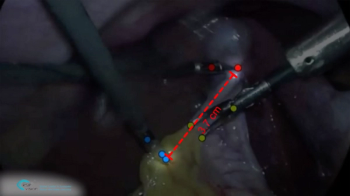
An emerging technology may help improve efficiency and outcomes of laparoscopic and robotic-assisted surgeries.
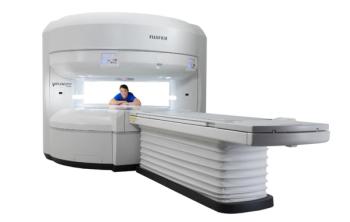
Advances in MRI modalities and capabilities can facilitate optimal comfort and help alleviate anxiety for patients.
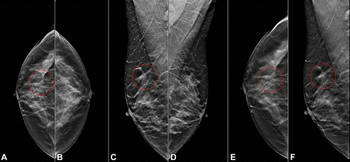
In a simulated clinical workflow, researchers found the use of an artificial intelligence model significantly decreased the number of exams that required interpretation by a radiologist.
What is your diagnosis?
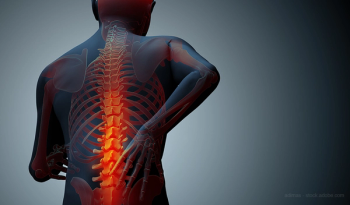
As a potential complement to intraoperative X-rays, the imaging software may be beneficial for short-segment spine procedures performed in outpatient or ambulatory surgery centers.
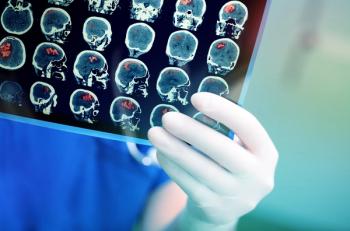
Amid a landscape of reimbursement cuts, productivity-based pay, flat salary gigs and possible exposure to malpractice lawsuits, what is an optimal, efficient work pace?
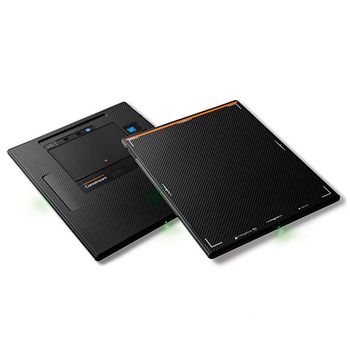
Essential factors range from dosing considerations and image quality to workflow efficiency and cost-effectiveness.
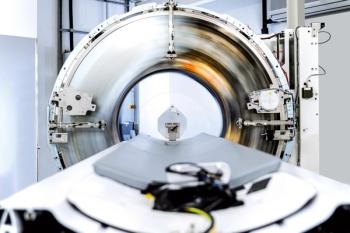
While current projections suggest a shortage of radiologists in the future, promising developments with radiology residency positions, medical student awareness of the field and AI-aided efficiencies could be game changers.
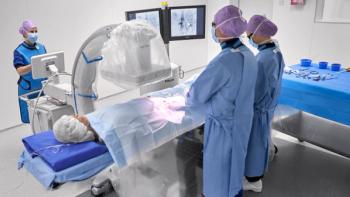
Emerging technology could provide key advances in pre-op planning and intraoperative management in endovascular surgery.