
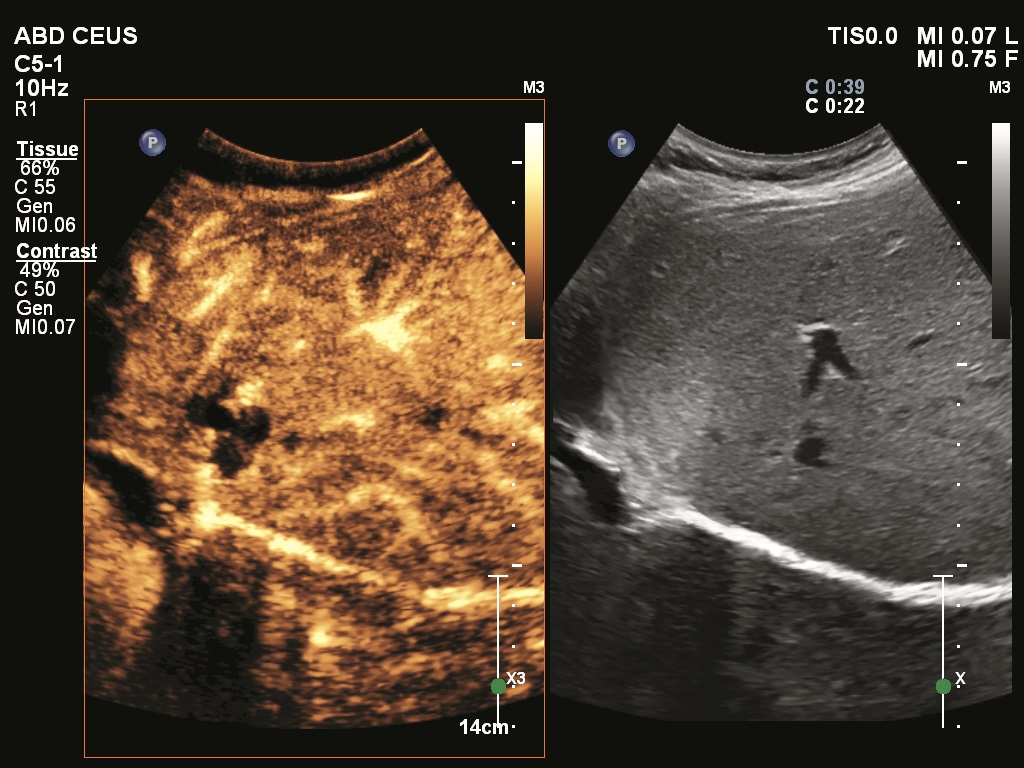




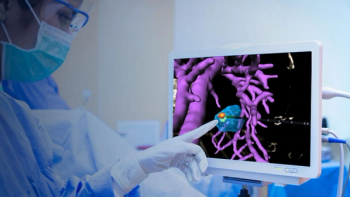
Through the use of artificial intelligence (AI) and imaging modalities such as ultrasound, CT, and MRI, the newly FDA-cleared VisAble.IO software reportedly enhances planning and real-time assessment for liver tumor ablation procedures.
Through the use of artificial intelligence (AI) and imaging modalities such as ultrasound, CT, and MRI, the newly FDA-cleared VisAble.IO software reportedly enhances planning and real-time assessment for liver tumor ablation procedures.
How strong is your own quality assurance (QA) barometer for interpreting CT, MRI, and ultrasound images?
Catch up on the top radiology content of the past week.
Catch up on the top five most viewed content at Diagnostic Imaging in August 2023.
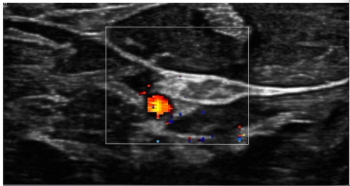
Offering a variety of enhanced features for image optimization and improved workflow efficiencies, the Sierra NMUS1 device reportedly includes the first software specifically designed for neuromuscular ultrasound applications.
Catch up on the top AI-related news and research from the past month.

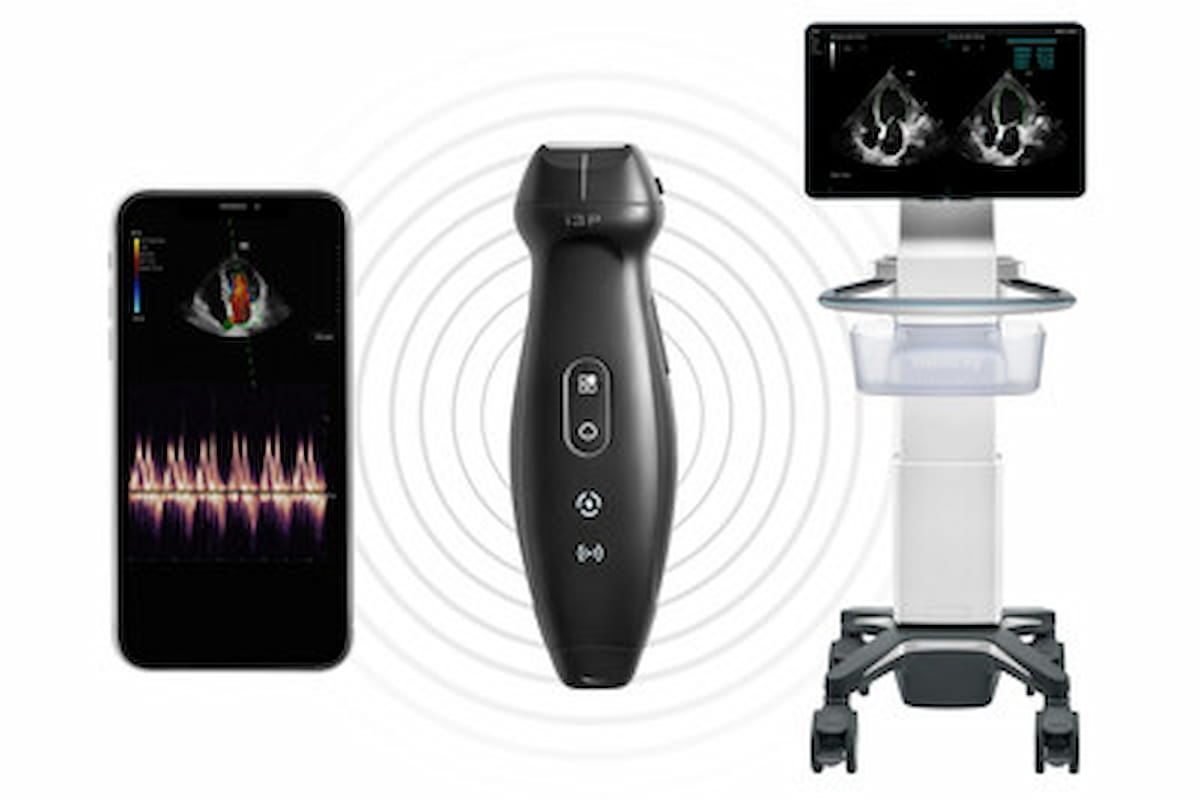
Featuring sector and linear arrays, the FDA-cleared Vscan Air SL ultrasound device reportedly enables cardiac and vascular assessments at the point of care.
When facilities routinely forward X-rays for “pain,” vascular ultrasound studies without Doppler or chest computed tomography (CT) scans devoid of breath holding, patient care suffers.
The De Novo approval for Viz HCM, which assesses electrocardiograms with artificial intelligence (AI) to identify possible cases of hypertrophic cardiomyopathy (HCM), is the 12th FDA clearance of algorithms on the Viz.ai Platform.
Catch up on the top radiology content of the past week.

Does access to prior imaging results have to be mission impossible for teleradiologists?

The controversial Independent Dispute Resolution (IDR) process of the No Surprises Act was temporarily suspended by the CMS on August 4 due to a federal court ruling that vacated a substantial administrative fee increase and batching rule from the CMS that reportedly curtailed challenges of claim reimbursement by radiologists and other providers.
Catch up on the top radiology content of the past week.
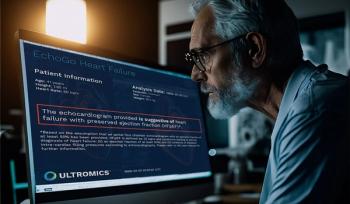
In what may represent the first CMS approval of a new technology add-on payment (NTAP) for an artificial intelligence (AI)-based heart failure detection platform, use of the EchoGo Heart Failure system will be eligible for up to $1,023.75 in NTAP reimbursement per acute hospital in-patient stay as of October 1, 2023.
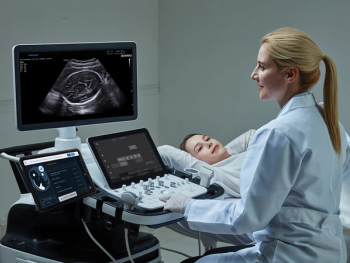
With reported performance validation on over 17,000 ultrasound images, Sonio Detect employs artificial intelligence (AI) to help ensure quality criteria for fetal ultrasound imaging of the brain and heart.
Catch up on the top AI-related news and research from the past month.
Catch up on the top radiology news of the past week.
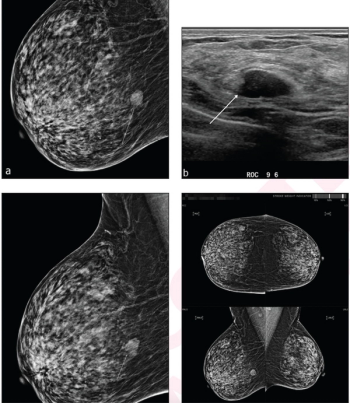
In a study of over 1.300 women with dense breasts, the combination of mammography and ultrasound had a recall rate of 11.7 percent, a specificity rate of 89.1 percent and an accuracy rate of 89.2 percent in comparison to a 21.4 percent recall rate, 79.4 percent specificity and 79.5 percent accuracy for the combination of mammography, ultrasound, and artificial intelligence (AI).
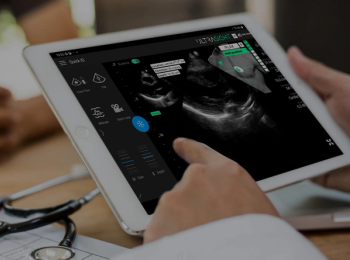
Indicated for use in two-dimensional transthoracic echocardiography (2D-TTE) in adults, the AI Guidance software reportedly enables novice ultrasound users to obtain real-time cardiac imaging at the point of care.
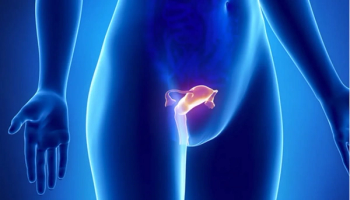
The newly FDA-cleared Fibroid Mapping Reviewer Application, which allows the creation of 3D uterus models from ultrasound images, reportedly facilitates diagnosis and interventional procedures for patients with uterine fibroids.
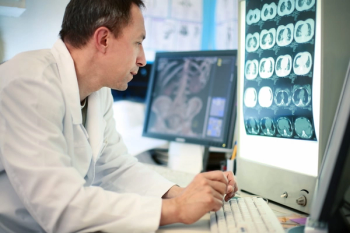
The notion of non-physician practitioners (NPPs) attempting to do radiologist-level work is a very slippery slope and what this author refers to as the “bargaining” stage of grief.
Catch up on the top radiology content of the past week.
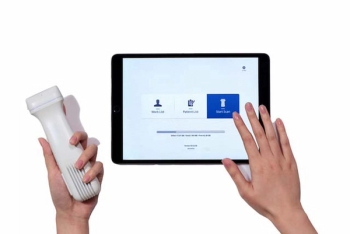
Optimized for musculoskeletal assessment, needle guidance and vascular access, the PocketPro H2 wireless ultrasound unit reportedly provides 90 minutes of high-quality continuous scanning for point-of-care applications.
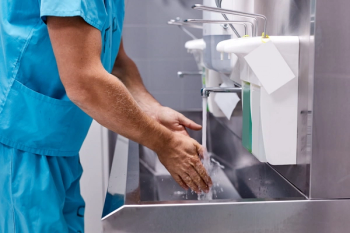
Noting recent double-digit increases in health-care associated infections (HAIs) and potential vulnerabilities in radiology departments, this author emphasizes proactive preventive measures to protect patients and staff.
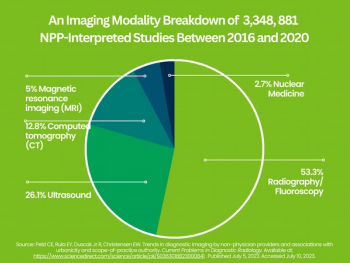
In a retrospective review of over 110 million imaging claims for patients with commercial insurance or Medicare Advantage, researchers noted key trends signaling significant increases in imaging billed by non-physician practitioners (NPPs).