









Could the emerging artificial intelligence platforms Saige-Dx and Quantib Prostate 2.0 improve cancer detection with mammography and prostate MRI?
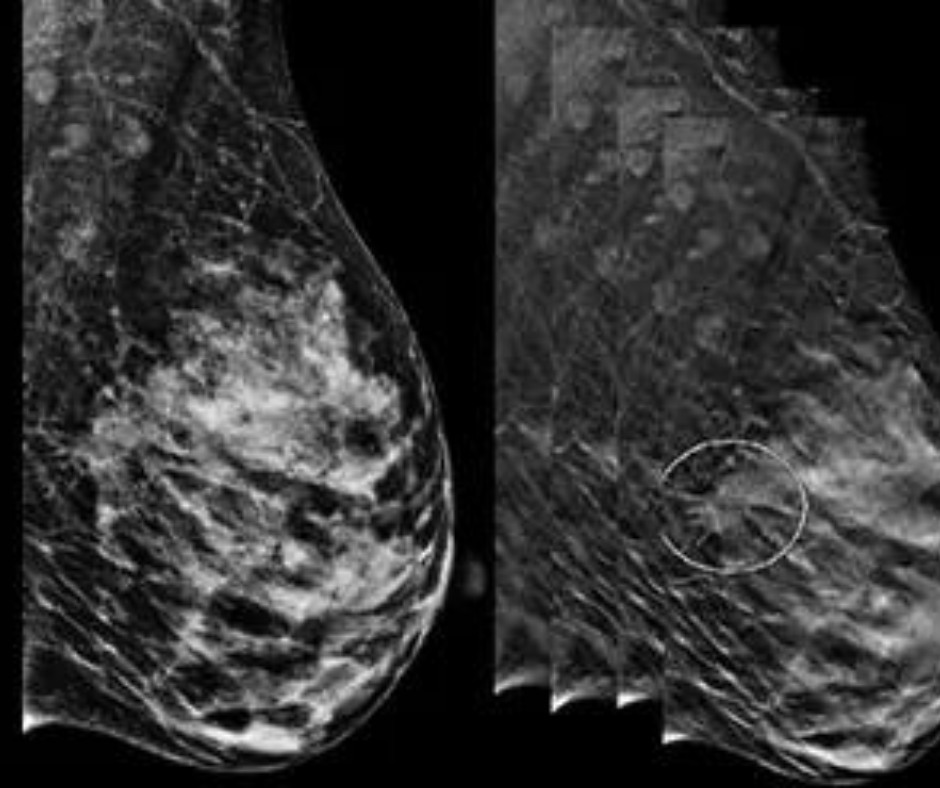
A closer look at the literature suggests the combination of digital breast tomosynthesis (DBT) and two-dimensional (2D) digital mammography (DM) has relatively equivalent cancer detection rates as using DM alone, according to a recent presentation at the Society of Breast Imaging (SBI)/American College of Radiology (ACR) conference.
Could the emerging artificial intelligence platforms Saige-Dx and Quantib Prostate 2.0 improve cancer detection with mammography and prostate MRI?
The company will spotlight the breast cancer risk stratification software Volpara Risk Pathways and a new mammography training collaboration with Mammography Educators.
Review the top radiology content from the past week.
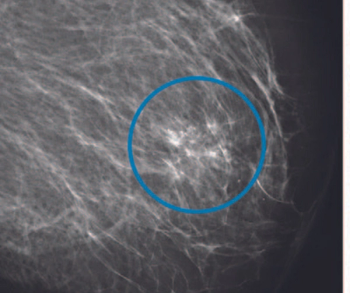
In a retrospective study involving mammography screening in over 114,000 women, researchers found that an artificial intelligence model had comparable specificity and sensitivity to radiologist screenings, reduced false positive results by 25 percent and reduced radiologist workload by more than 62 percent.
Review top radiology content from the week.
Review top radiology content from the week.

In a recent video interview, Arun Krishnaraj, MD, MPH and David Larson, MD, MBA, discussed the continued use of physical media to transport medical images between different health-care facilities, resulting inefficiencies and delays with patient care, and the initiative to create a linked multi-hub model to end this dated practice once and for all.
Review top radiology content from the week.
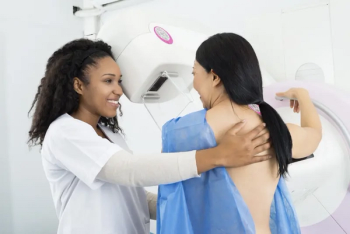
A closer look at the Canadian National Breast Screening Studies (CNBSS) has revealed key methodological flaws that may prohibit use of the findings in the development of future guidelines on mammography screening for breast cancer.
Review top radiology content from the week.
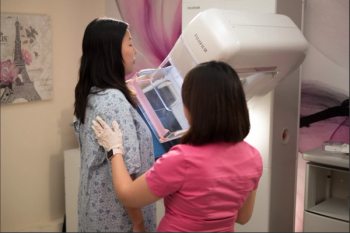
Discussing personal, practical and technological challenges that may thwart breast cancer screening, this author says increased sensitivity, advances in mammography imaging and creative awareness-raising alliances can make a difference in communities big and small.
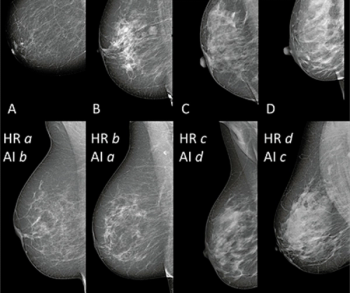
The artificial intelligence (AI) model reportedly had an 89.3 accuracy rate in differentiating between non-dense and dense breasts on mammography scans, and a 90.4 percent rate of agreement with human radiologist reviewers.
Review top radiology content from the week.
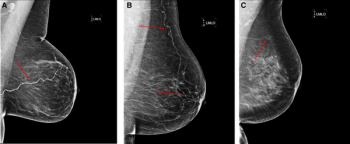
While breast arterial calcification is a common incidental finding on mammograms that is not routinely recommended for follow-up, statistically significant associations with cardiovascular risks may change that approach for postmenopausal women.
In a recent video interview, Amy K. Patel, MD, discussed the aftereffects of delayed breast cancer screening due to the COVID-19 pandemic, keys for improving outreach to underserved communities, legislative wins and challenges, and coalition building to educate and encourage women to resume regular breast cancer screening exams.
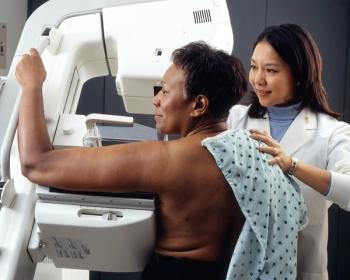
In a large study reviewing biennial mammography screening for women between the ages of 50 to 74, researchers estimated a 6.1 percent overdiagnosis rate for indolent pre-clinical cancer and a 9.3 percent overdiagnosis rate for progressive pre-clinical cancer in women who would have died from other causes prior to clinical diagnosis.
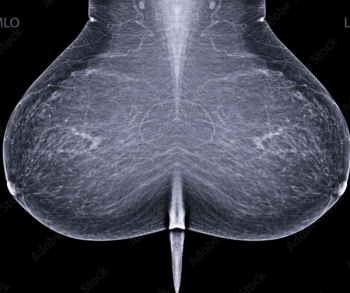
When there are equivocal findings with digital breast tomosynthesis (DBT), spot compression views may significantly enhance specificity and accuracy, and could reduce additional workup in benign cases.

For premenopausal women with a family history of breast cancer, new research shows a 25 to 30 percent higher likelihood of mammographic breast density.
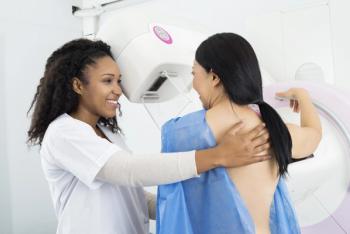
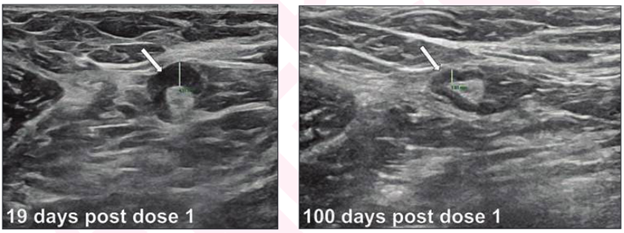
Emerging research suggests that mammograms should not be delayed for women who develop unilateral lymphadenopathy after receiving COVID-19 vaccines, and that follow-up imaging is unnecessary for patients who have no history of cancer or suspicious concurrent symptoms.
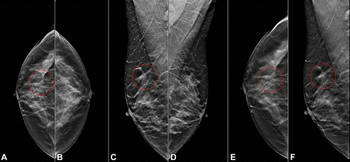
In a simulated clinical workflow, researchers found the use of an artificial intelligence model significantly decreased the number of exams that required interpretation by a radiologist.
During the pandemic and beyond, working from home as a radiologist can present clear work-life advantages.
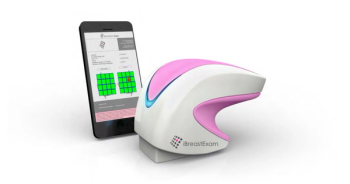
The iBreastExam, a handheld device cleared by the FDA, reportedly enhances routine clinical breast examinations.
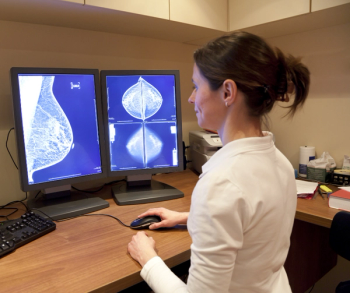
While digital breast tomosynthesis is reportedly more effective at detecting cancer, new research suggests a higher recall rate due to fatigue and less experience in interpreting the images.
Emerging solutions for improved efficiency, patient comfort and image quality may ease the strain of increased patient volume as women catch up with mammography screenings that were delayed or put off during the COVID-19 pandemic.

Review our most popular Image IQs of 2021 and test your radiology knowledge!