
Breast Imaging
Latest News
Advertisement
Latest Videos

Shorts
0:36
Three Key Clinical Implications from New Mammography Study on Breast Arterial Calcification
a month ago
by
Manisha Bahl, MD

0:40
Improving DBT Detection of Invasive Lobular Cancer with Adjunctive AI
a month ago
by
Leslie Lamb, MD, MSc

0:27
Why Biennial Mammography Screening is Not Enough for Women in Their 40s
a month ago
by
Manisha Bahl, MD

0:45
Emphasizing the Evidence on Supplemental Imaging in Women with Dense Breasts
a month ago
by
Wendie Berg, MD, PhD

0:15
Emphasizing Annual Vs. Biennial Mammography Screening for Women in Their 40s
a month ago
by
Stamatia Destounis, MD, FACR

0:38
Where the ACP Breast Cancer Screening Guidance Falls Short
a month ago
by
Stamatia Destounis, MD, FACR
0:42
Can Breast Ultrasound AI Help Reduce Benign Biopsies?
a month ago
by
Manisha Bahl, MD

0:57
Potential Health Equity Issues with the ACP Guidance on Breast Cancer Screening
a month ago
by
Wendie Berg, MD, PhD

0:43
Study Suggests Potential Advantages of AI in Mammography and DBT Screening
2 months ago
by
Manisha Bahl, MD









Advertisement
More News

Researchers estimated that 17.9 million middle-aged women in the United States are overdue for breast, cervical or colorectal cancer screening, according to a new cross-sectional study.
Researchers found that deep learning assessment of mammograms had an 18 percent higher accuracy than breast density in predicting future breast cancer within five years, according to a new study involving over 67,000 women.

In a roundup of breast imaging news and research from April 2026, we take a look back at pertinent findings with AI and digital breast tomosynthesis (DBT), breast MRI studies and breast cancer screening guidelines from the National Comprehensive Cancer Network (NCCN) and the American College of Physicians (ACP).

Called a “star physician” by President Trump, Nicole Saphier, MD, a board-certified breast radiologist and associate professor at Weill Cornell Medical College, “is a tireless advocate for women’s health,” according to American College of Radiology (ACR) CEO Dana H. Smetherman, MD.

AI software identified breast cancer missed by radiologists on one prior screening DBT exam in 26.8 percent of patients and on three prior screening DBT exams in 11 percent of patients, according to a study involving over 300 women that was presented at the Society of Breast Imaging conference.

Approximately 15 percent of women with abnormal screening mammography results and adverse social determinants of health (SDOH) had follow-up diagnostic mammography or breast ultrasound within 30 days, according to multinational research presented at the Society of Breast Imaging symposium.

In the latest episode of her “Breast Imaging in Focus” series, Manisha Bahl, MD, discusses key findings from a new study looking at partially autonomous AI-supported screening with mammography and digital breast tomosynthesis (DBT).
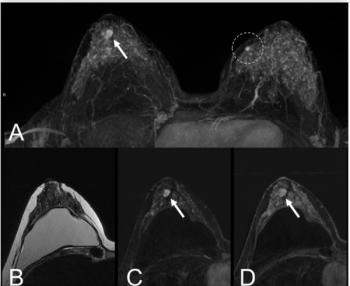
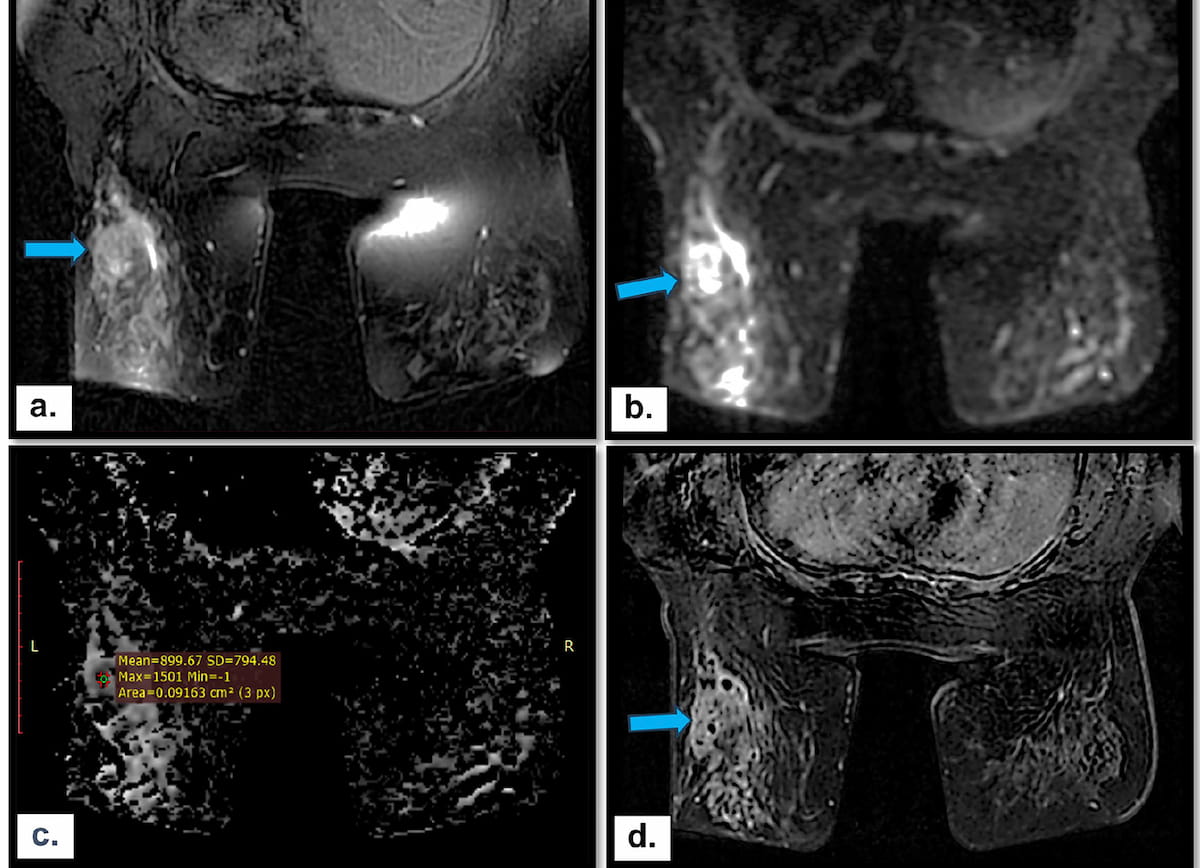
There was no statistically significant difference in sensitivity rates for lesion detection between breast MRI scans with minimum or mild background parenchymal enhancement (BPE) and those with moderate or marked BPE, according to a newly published study involving over 300 women.
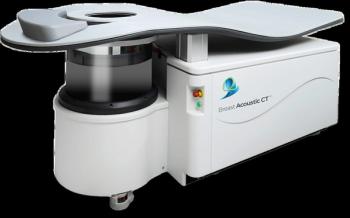
The updated version 4.5.0. software for the Breast Acoustic CT platform reportedly facilitates improved spatial resolution in reflection imaging and enhanced capabilities for imaging of small breasts and breasts with implants.
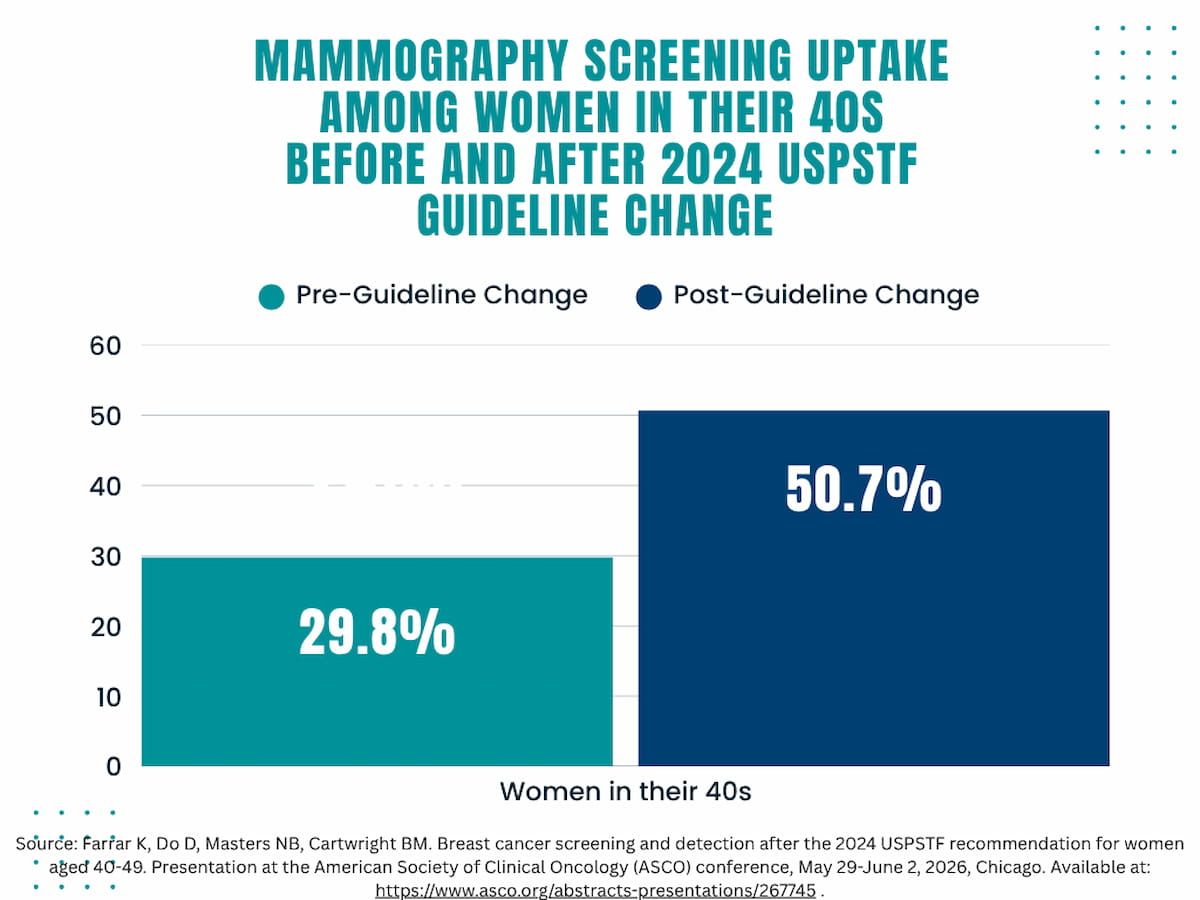
After a 2009 recommendation from the United States Prevention Services Task Force (USPSTF) against routine mammography screening for women 40-49 years of age, there was an approximate eight to 10 percent decline in mammography use for women in their 40s across different demographic subgroups, according to new research.
In the latest episode of her “Breast Imaging in Focus” series, Manisha Bahl, M.D., offers a closer look at pertinent findings from the GEMINI study, including one AI integration model that facilitated over a 10 percent increase in cancer detection and a 31 percent decrease in radiologist workload.
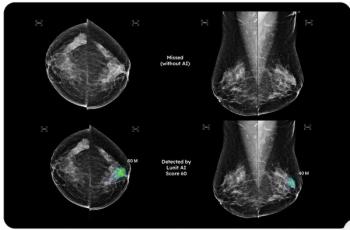
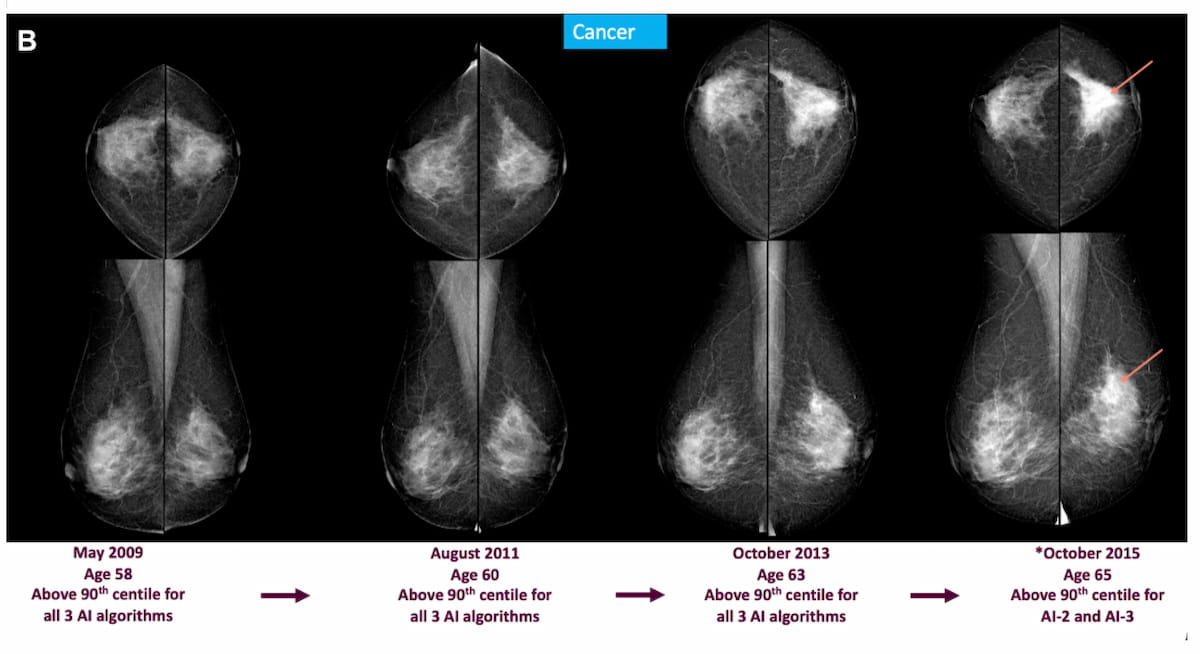
Initial breast cancer risk scoring with adjunctive AI assessment of screening mammograms increased by approximately 80 percent in a subsequent screening round for women with breast cancer, according to research findings presented at the European Congress of Radiology.
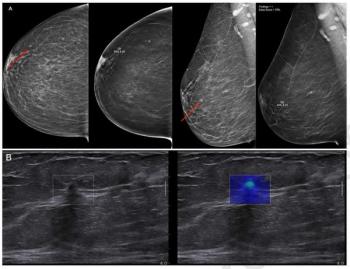
The use of adjunctive AI led to higher detection of breast cancer in women with dense breasts as well as increased detection of invasive cancer and lobular cancer, according to new research involving over 100,000 screening DBT exams.
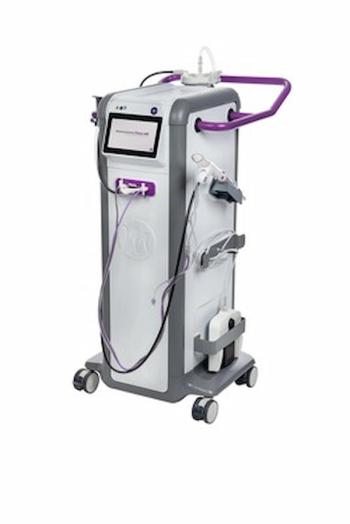
The Mammotome Prima™ MR Dual Vacuum-Assisted Breast Biopsy System reportedly enables larger tissue samples and facilitates more efficiency in procedure setup and cleanup with 75 percent less tubing in comparison to other systems.
In the debut of her new “Breast Imaging in Focus” series, Manisha Bahl, M.D., discusses the recently published Lancet study on AI, mammography and interval breast cancer, and shares her perspective on the potential impact of these findings for breast radiologists.
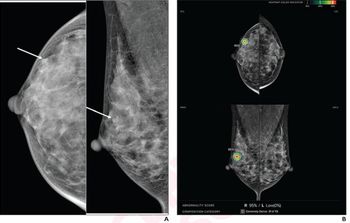
Artificial intelligence scores > 73.5 percent for mammography were associated with over a threefold higher cumulative incidence rate for ipsilateral recurrence of DCIS in women treated with breast-conserving surgery, according to new research.
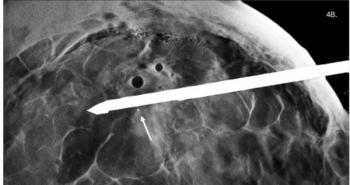
Employing digital breast tomosynthesis for biopsy guidance facilitated significantly lower radiation dosing than digital mammography guidance with no difference in malignancy rates, according to new research involving over 1,600 patients.
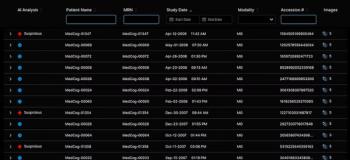
Flagging DBT images that may warrant a more expedited review, the CogNet AI-MT+ platform can reportedly be integrated into existing IT systems to facilitate workflow efficiencies for radiologists.

Wendie Berg, M.D., Stamatia Destounis, M.D., and Amy Patel, M.D., share their thoughts and perspectives on key findings from the Lancet mammography study on AI and interval breast cancer, and how they have incorporated AI into their practices.
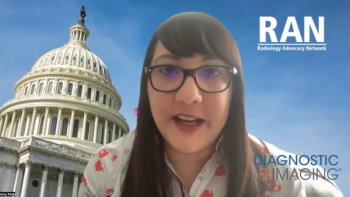
In a recent interview, Amy Patel, M.D., discussed key targets in legislation for breast imaging in 2026 and offered advice for breast radiologists seeking to get more involved in advocacy.
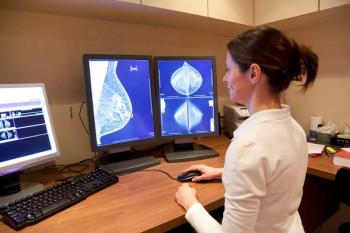
In a comparative study involving over 105,000 women, researchers found the use of adjunctive AI for mammography triage resulted in a 16 percent lower rate of invasive interval cancers in comparison to double reading by radiologists without AI.
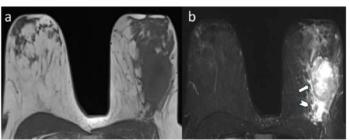
For young women with breast cancer, peritumoral edema on pre-op breast MRI was associated with over a 3.6-fold higher likelihood for reduced disease-free survival, according to new research.
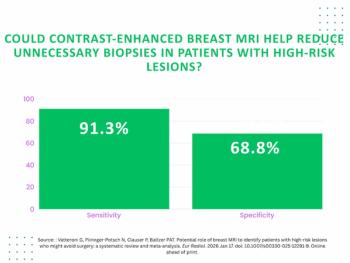
In a seven study meta-analysis with a total of 493 cases involving high-risk breast lesions, researchers found that contrast-enhanced breast MRI did not miss any cases of invasive breast cancer.
Advertisement
Advertisement
Trending on Diagnostic Imaging
1
Study: PSMA PET/CT Reduces Biopsy Rate by Nearly 50 Percent for Men with Equivocal or Non-Suspicious Prostate mpMRI
2
Addressing Challenges in Radiology Reporting
3
Mammography Study: Can AI Detect Potential Breast Cancer Up to a Decade Prior to Diagnosis?
4
The Hidden Social Price of Remote Work in Radiology
5