

Undergoing more frequent abdominal screening can improve life expectancy and quality of life for patients with hepatocellular carcinoma.
Undergoing more frequent abdominal screening can improve life expectancy and quality of life for patients with hepatocellular carcinoma.

70 year old female with wrist pain. What is the imaging finding?

Funding will be given to sites that can contribute to the Medical Imaging and Data Resource Center (MIDRC).

Several factors – other than length of clinical experience – weigh into a provider’s interpretive accuracy.

A deep learning algorithm used with brain MRI could help providers identify patients in the early stages of cognitive decline and Alzheimer’s.

Drs. Charles Liu and Jonathan Russin discuss the benefits and potential of fPACT, the alternative to functional MRI.

A provider’s first-person encounter with the specialty as a patient.
A 30-year-old female presents with papilledema. What is the imaging finding?
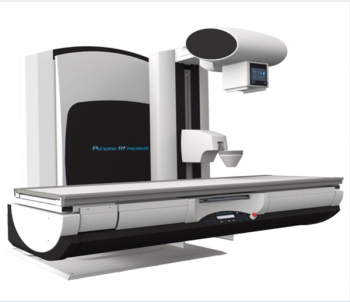
Low-dose, high-resolution system can capture a variety of images for both large and small facilities.

Assessment of more than 1,000 women in Australia shows abdominal aortic calcification linked to increased risk of fall-related hospitalizations.

Here's what to expect this week on Diagnostic Imaging.

Radiology could benefit from actions that support and encourage productivity.

Using PET/CT images to assess the level of a non-small cell lung cancer biomarker can help patients avoid invasive biopsy.
Findings could lead to changes in treatment decisions.
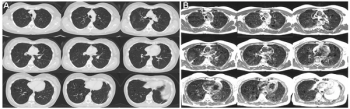
Low-field strength MRI can successfully visualize common lung problems.

These injuries are easy misses for radiologists unfamiliar with the problems – here’s what you should look for.

Take a quick look at Diagnostic Imaging's Top 5 stories of the week.

Identification of optimal heart rate supports use of beta blockers when possible.

Recently approved PMSA-targeted radiotracer can pinpoint biochemical recurrent prostate cancer in men with unhelpful standard imaging.

Retention rates are higher, but clinical impact could be low.
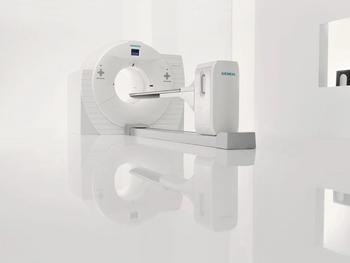
Patients with mild cognitive impairment who take lipophilic statins have a more than doubled risk of progressing to dementia.

Tested so far in animal models, this tracer could further the development of treatments for this life-threatening disease for which there are currently no therapies.

Imaging shows even mild head impacts can have long-term neurological effects.

New consensus guidelines update clinical practice and point to a unified, worldwide approach to multiple sclerosis diagnosis and monitoring.

50-year-old diabetic patient presented with fever, dysuria, and abdominal pain.
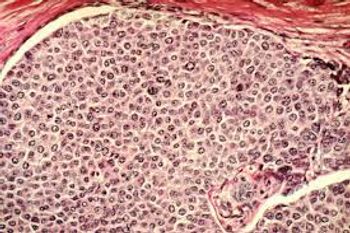
New therapy uses light from decaying radiopharmaceuticals to attack cancer cells from inside the body.
Here's what to expect this week on Diagnostic Imaging.

The benefits of – and opportunities for – a slower reader.

Using an external tracking device can lead to super-resolution that can potentially improve neurological disorder detection.

Use enables direct imaging of disease process.