


Adding 18F-FET PET to contrast-enhanced MRI can better determine which patients are responding well to immune checkpoint inhibitors or targeted therapies.
Adding 18F-FET PET to contrast-enhanced MRI can better determine which patients are responding well to immune checkpoint inhibitors or targeted therapies.

Take a quick look at Diagnostic Imaging's Top 5 stories of the week.

Diffusion-prepared arterial spin labeling can measure the water exchange rate across the blood-brain barrier, catching malfunctions at an earlier state.

What is causing this appearance on small bowel GI series follow-through?

Women with low levels of PDGFRb, a protein involved in cardiovascular development, have reduced recurrence risk.

Institutions still do not have a standardized way to make radiology reports available to patients, but providing earlier access could be beneficial for all parties involved.

Classification leads to fewer missed breast cancers.
What is causing this appearance on this barium study?
Collaboration paves the way for improved interoperability.

Misattributing injuries can put children at risk for future abuse.

What injury could be related to this anterior superior iliac spine avulsion injury? What's your diagnosis?

Tattoo ink can migrate in female patients, potentially mimicking lymph node findings on breast imaging.

Here's what to expect this week on Diagnostic Imaging.

When STAT is the norm, maybe it’s time to re-evaluate.

A radiologist and former Johns Hopkins president lays out guidance for how radiologists can successfully raise money for department activities.

Performing a CMR shortly after hospital admission identifies more patients with broken-heart syndrome.

7T MRI highlighted multiple hippocampus differentiations between individuals with DS and healthy study participants.
Take a quick look at Diagnostic Imaging's Top 5 stories of the week.

Creating an online, updatable contact sheet can reduce the number of misdirected calls to the radiology department.
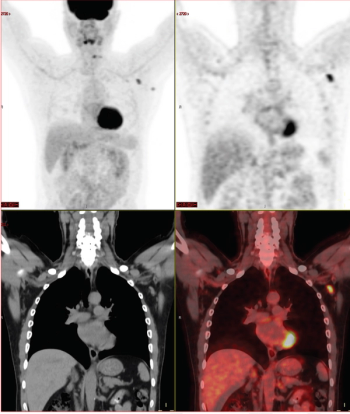
Initial guidance advised these adenopathies would resolve within six weeks. Research and clinical experience shows it’s taking much longer.

Matthew Michela, President and CEO of Life Image, discusses ONC information-blocking rules and strategies practices can take to ensure compliance.
What do you see on this X-ray of the forearm?
The American College of Physicians released a new guideline, supporting the use of point-of-care ultrasound alongside standard diagnostic pathways for emergency department and admitted patients who have shortness-of-breath but an uncertain diagnosis.
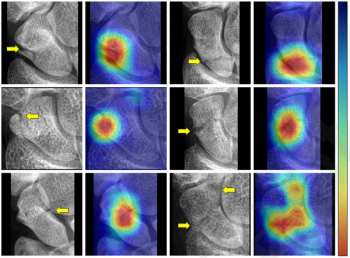
Identifying these easily missed breaks can save patients from future negative complications or loss of function.
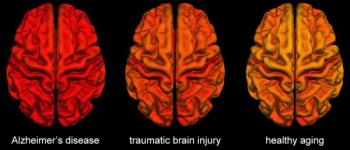
Scans show significant similarities between gray and white brain matter changes in patients with both conditions.
What is your diagnosis in this 68-year-old man with increasing memory loss and dementia?

Working out and maintaining high cardiorespiratory fitness reduces risk of bronchiectasis.

The imaging industry has a role to play in bringing about change in screening.

Adaptation to change is key to growth—both personal and professional.
Here's what to expect this week on Diagnostic Imaging.