










Catch up on the top radiology content of the past week.

Catch up on the top radiology content of the past week.
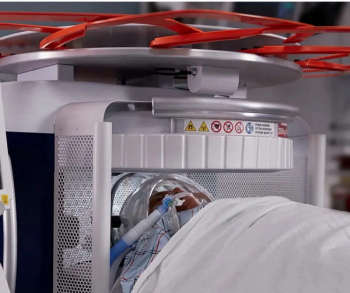
The ninth FDA clearance for the Swoop Portable MR Imaging system is for new software that enables significant scan time reduction for brain MRI scans.
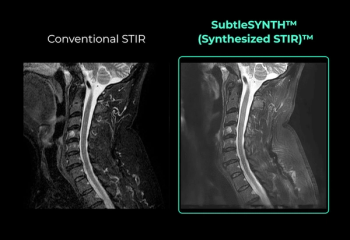
The deep learning SubtleSynth software creates synthetic STIR images that are reportedly interchangeable with conventional sequences obtained from T1 and T2-weighted MRI.
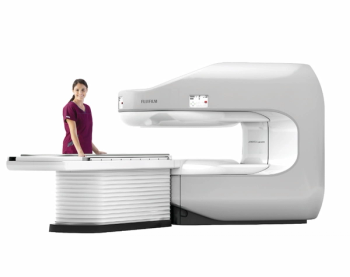
The Aperto Lucent open 0.4T MRI platform reportedly offers enhanced fat suppression and spatial resolution capabilities in addition to its open architecture design.
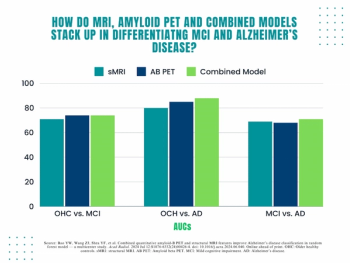
Emerging research revealed that a machine learning combination of amyloid beta PET and structural MRI demonstrated an 89 percent AUC in differentiating between older healthy patients and those with Alzheimer’s disease.
Catch up on the top radiology content of the past week.
Catch up on the most-well viewed radiology content in June 2024.
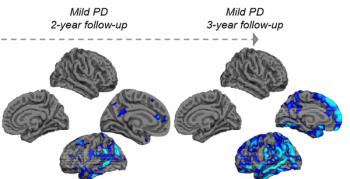
For patients with mild Parkinson’s disease, new research suggests that indexes of disease pathology with structural and functional connectivity of brain regions can help predict progression of gray matter atrophy at two- and three-year follow-up brain MRI exams.
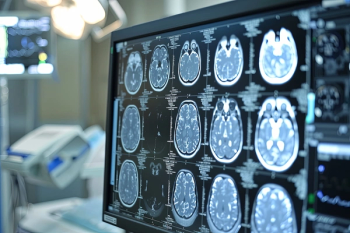
Noting an average processing time of 24 seconds for deep learning detection of acute ischemic stroke on brain MRI, the authors of a new study said deep learning assessment of DWI and FLAIR sequences had equivalent sensitivity and AUROC to T2WI MRI.
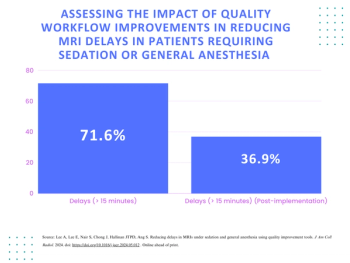
Targeting improvements in workflow, patient consent protocols and adherence to scheduled exam times, researchers noted significant reductions in 15-minute and 30-minute delays with MRI exams for patients who required sedation or general anesthesia.
Catch up on the top radiology content of the past week.
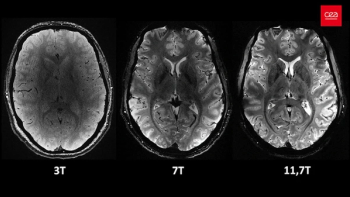
As ongoing advances continue to redefine and elevate the diagnostic capabilities of MRI, ensuring the safety of patients and operators through effective signage, training and regular safety audits is of paranount importance.
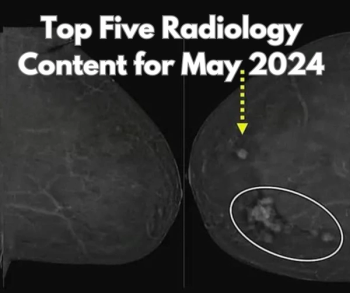
Catch up on the most-well viewed radiology content in May 2024.
Catch up on the top radiology content of the past week.
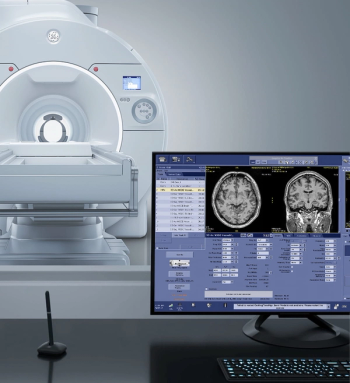
For neuroradiologists, the Signa Magnus 3T MRI system may offer enhanced visualization of the brain microstructure, microvasculature, and function.
Catch up on the top radiology content of the past week.
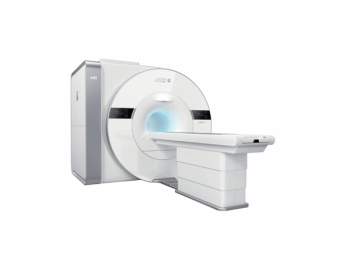
In addition to enhanced resolution, the uMR Jupiter 5T device reportedly addresses image uniformity and radiofrequency safety that have been previous challenges with ultra-high-field MRI.
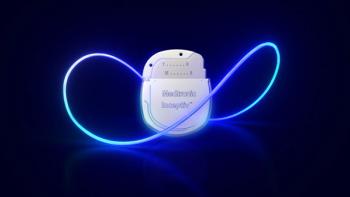
Reportedly the smallest and thinnest implantable spinal cord stimulator (SCS) device, the Inceptiv closed-loop SCS modality allows access to 1.5T and 3T full-body MRI without power restrictions.
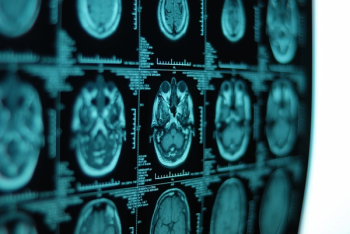
The use of continuous ofatumumab in patients within three years of a relapsing multiple sclerosis diagnosis led to substantial reductions in associated lesions on brain MRI scans, according to research recently presented at the American Academy of Neurology (AAN) conference.
Catch up on the top radiology content of the past week.
Catch up on the most-well viewed radiology content in March 2024.
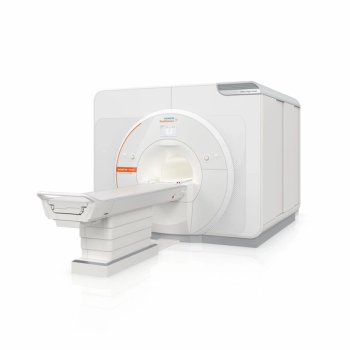
Offering improved image clarity capable of capturing details of subtle pathology, the Magnetom Terra.X 7T MRI system reportedly features the first eight-channel parallel transmit architecture for clinical use.
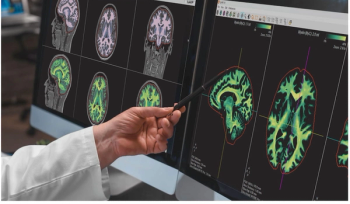
SyMRI 3D reportedly combines precise estimates of regional brain volume with improved resolution bolstering accuracy with lesion analysis.

The multimodality system nCommand Lite reportedly facilitates real-time remote imaging guidance on scanning parameters and procedure assessments to licensed technologists for a variety of imaging modalities including CT and MRI.
Catch up on the top radiology content of the past week.