
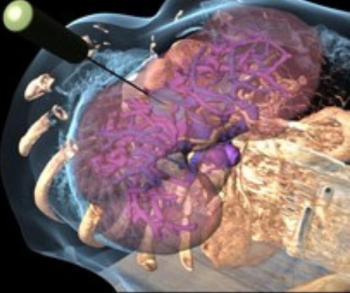
Featuring the previously FDA-cleared BioTraceIO Vision and BioTraceIO Precision modalities, the BioTrace software suite combines real-time ultrasound guidance and advanced AI technology to help bolster outcomes with liver tumor ablation therapy.
Featuring the previously FDA-cleared BioTraceIO Vision and BioTraceIO Precision modalities, the BioTrace software suite combines real-time ultrasound guidance and advanced AI technology to help bolster outcomes with liver tumor ablation therapy.

With an open letter to cold-calling recruiters, this radiologist emphasizes that incessant contact won’t gain a foothold with him or his colleagues.
Catch up on the most-well viewed radiology content in July 2024.

Catch up on the most-well viewed prostate cancer imaging content in July 2024.
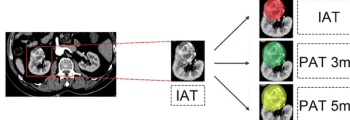
An emerging diagnostic model incorporating radiomic features from intratumoral and peritumoral regions exhibited a 29 percent higher AUC and 77 percent higher sensitivity rate than a clinical model for predicting the grading of clear cell renal cell carcinoma, according to recent research.

Catch up on the top radiology content of the past week.
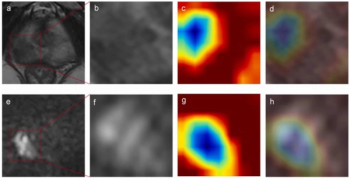
A model that combines MRI-based deep learning radiomics and clinical factors demonstrated an 84.8 percent ROC AUC and a 92.6 percent precision-recall AUC for predicting perineural invasion in prostate cancer cases.
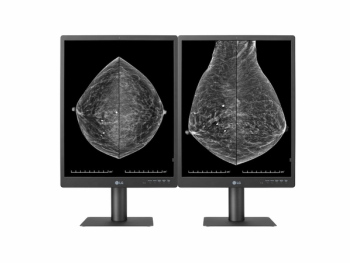
Intended for mammography and digital breast tomosynthesis (DBT) interpretation, the device reportedly emphasizes high-definition image quality and ease of use for radiologists.
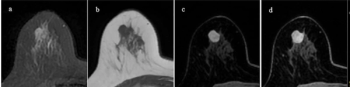
The absence of ipsilateral breast hypervascularity is three times more likely to be associated with false-negative findings on breast MRI and non-mass enhancement lesions have a 4.5-fold likelihood of being linked to false-positive results, according to new research.
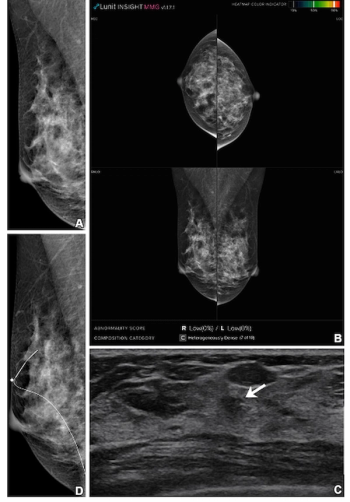
For women with dense breasts, the combination of mammography and supplemental breast ultrasound had a 36.4 percent higher sensitivity rate for detecting breast cancer in comparison to the combination of mammography and adjunctive AI, according to a new study.

Review the case and test your knowledge to make the correct diagnosis.
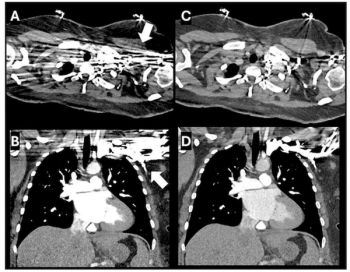
New research looking at photon-counting computed tomography (PCCT) demonstrated significantly reduced variation and tracheal air density attenuation with polyenergetic reconstruction in contrast to monoenergetic reconstruction on chest CT.
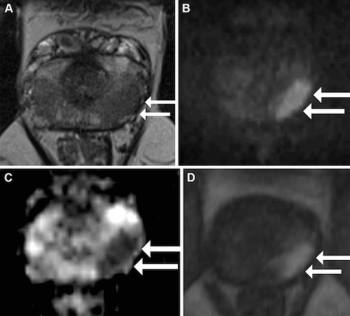
In comparison to systematic biopsy, researchers found that mpMRI-targeted biopsy had a nine percent higher detection rate for cribriform and intraductal prostate cancer subtypes that are associated with adverse outcomes.
While a variety of factors can influence key decisions such as career moves, conservative projections of absolutes can help reduce the risk of unwelcome surprises.
Catch up on the top radiology content of the past week.
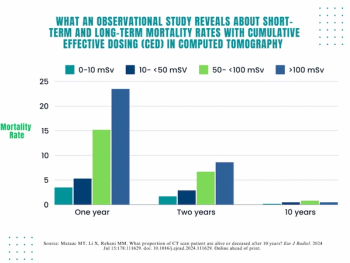
Emerging research suggests CT radiation dosing of 50 mSv or greater is associated with higher mortality at two years but nearly half of those patients were alive 10 years later.
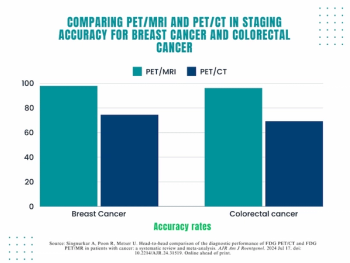
While PET/MRI and PET/CT had comparable sensitivity for patient-level regional nodal metastases and lesion-level recurrence, the authors of a systematic review noted that PET/MRI had significantly higher accuracy in breast cancer and colorectal cancer staging.
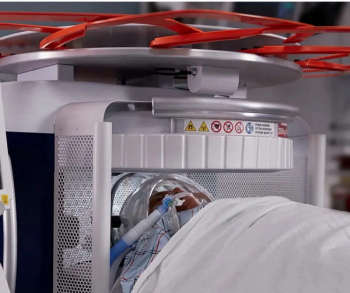
The ninth FDA clearance for the Swoop Portable MR Imaging system is for new software that enables significant scan time reduction for brain MRI scans.
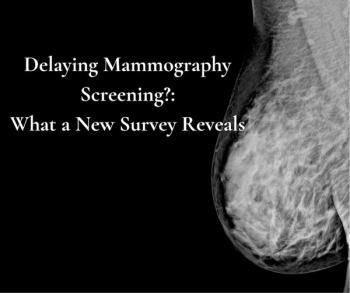
After being informed about the benefits and risks associated with screening mammography, over a third of women polled indicated a preference to delay breast cancer screening.
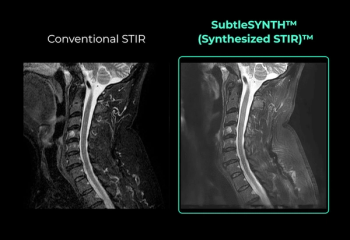
The deep learning SubtleSynth software creates synthetic STIR images that are reportedly interchangeable with conventional sequences obtained from T1 and T2-weighted MRI.
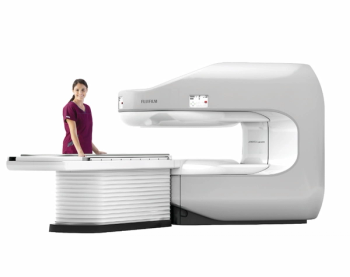
The Aperto Lucent open 0.4T MRI platform reportedly offers enhanced fat suppression and spatial resolution capabilities in addition to its open architecture design.
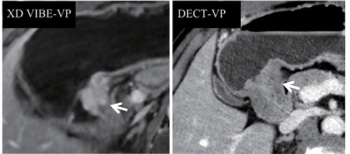
Researchers found that mpMRI was 18 percent more accurate than dual-energy CT (DECT) for T1 staging and 19 percent more accurate for N3 staging of gastric cancer.

Review the case and test your knowledge to make the correct diagnosis.
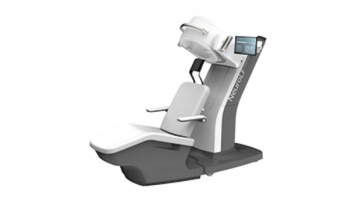
Offering dedicated PET imaging of the brain, the compact NeuroLF system may facilitate patient comfort while enabling detection and monitoring of brain tumors, epilepsy, and neurodegenerative diseases such as Alzheimer’s disease.
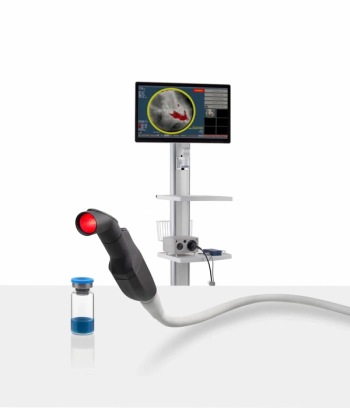
Going into effect in 2015, the Category III CPT add-on code may facilitate broader access to the use of fluorescence imaging for assessing margins after lumpectomies for signs of residual breast cancer.
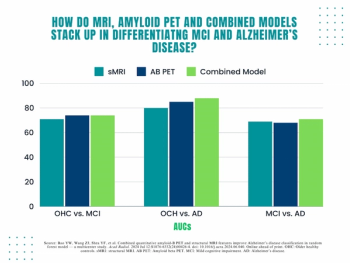
Emerging research revealed that a machine learning combination of amyloid beta PET and structural MRI demonstrated an 89 percent AUC in differentiating between older healthy patients and those with Alzheimer’s disease.
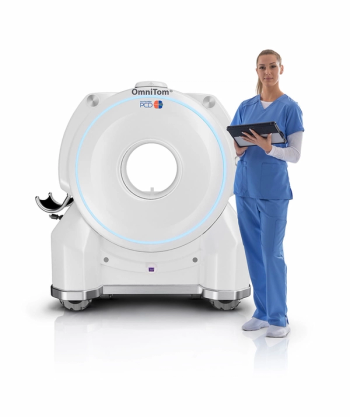
Photon-counting CT-optimized features with the OmniTom Elite system include 30 cm field of view scanning, continuous spiral scanning, and an ultra-high-resolution capability of 0.141 mm resolution.
Catch up on the top radiology content of the past week.
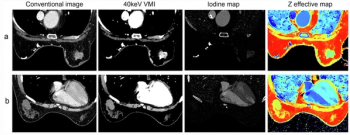
Incorporating age, lesion shape and effective atomic number in the venous phase of dual-energy CT (DECT), an emerging model demonstrated a 79.1 percent AUC for differentiating between malignant and benign breast lesions.
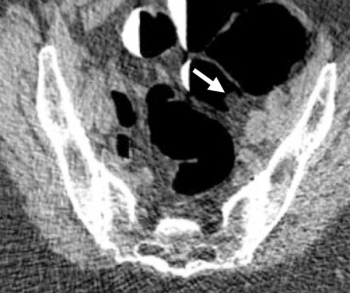
In newly issued proposals addressing changes to coverage for Medicare services in 2025, the Centers for Medicare and Medicaid Services (CMS) announced its intent to provide coverage of computed tomography colonography (CTC) for Medicare beneficiaries in 2025.