

Almost all studies and modalities have seen significant declines in payment since 2007.
Almost all studies and modalities have seen significant declines in payment since 2007.

Digital breast tomosynthesis improves cancer detection rates and reduces recalls, but not for all women.

Features can be used to pinpoint which patients will most likely be admitted to the ICU, as well as patient outcomes.
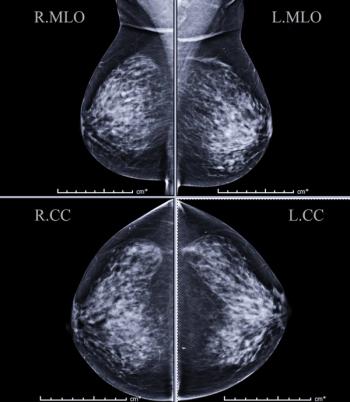
Solution helps radiologists prioritize and identify suspicious mammograms.

Scans show cardiovascular impact lingers after the acute phase of viral infection and into recovery.
Algorithm can pre-operatively pinpoint metastasis, potentially helping some patients avoid unnecessary surgery.
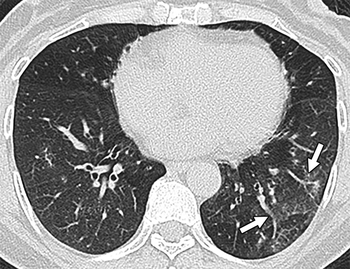
Images demonstrate high accuracy for identifying B-lines, thickened pleural lines, and pulmonary consolidation features.
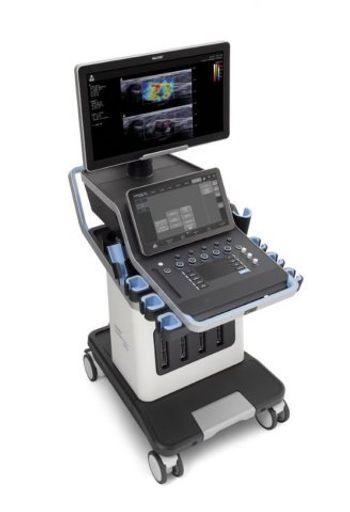
The system is designed to reduce unnecessary biopsies, lesion correlation time, and improve overall diagnostic accuracy.
Lung cancer, X-ray improvements, Post-Pandemic Success, and Minority Patients and COVID-19
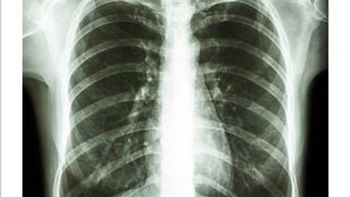
Siamese neural network can predict intubation and which patients were likely to die within three days of hospital admission.
Racial and ethnic minority patients show more severe cases on chest X-ray, fueled by socioeconomic factors.

Technique splits X-ray beam into thin streams that deliver the same image quality with reduced dose.
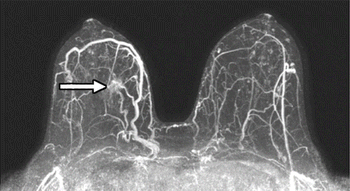
Relying on patient- or tumor-specific characteristic to recommend pre-operative MRI could result in missed cancers.
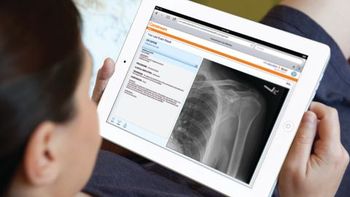
As the desire to know more about individual medical records grows, easy accessibility for patients will be vital.
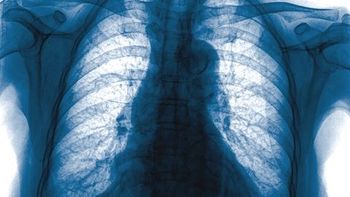
Using a deep learning-based automatic detection algorithm can identify more lung cancers on chest X-ray, potentially avoiding unneeded chest CT and accelerating treatment.

What department and practices leaders should focus on to be most successful post-COVID
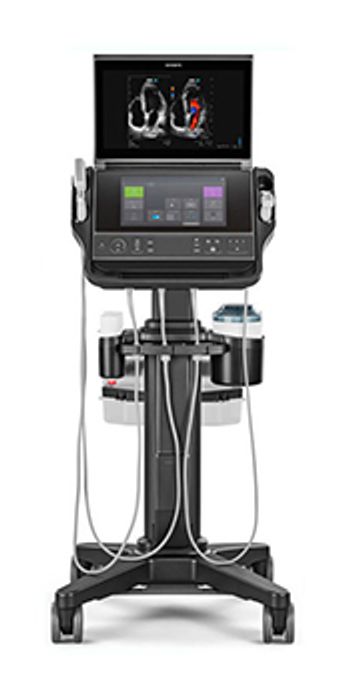
Sonosite PX improve image quality and workflow at the patient’s bedside.

Three strategies to keep your patients at ease and satisfied with your performance.

Concentrating on current smokers and those without positive CT results can improve patient participation and cost effectiveness.

Voice recognition artificial intelligence tools are taking on a growing role in radiology.

The role of the pandemic and what radiology can do to mitigate its burnout effect.
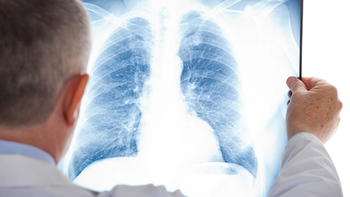
The pandemic is having several short- and long-term impacts that could change the face of private radiology practice.
Bedside lung ultrasound can be used to pinpoint which emergency department patients are more likely to die from viral infection.

Your radiology career is a perpetual cycle of gaining experience that adds to your expertise and ensures your continued professional growth.
Avicenna.AI’s CINA Head earns 510(k) clearance for emergency room triage of intracranial hemorrhages and large vessel occlusions.
From virus behavior, to patient impact, to imaging implementation – what we know so far.
University Hospitals Cleveland Medical Center/Case Western Reserve saw a 55-percent overall imaging volume drop during the pandemic and unearthed some commonalities with other, harder-hit areas.
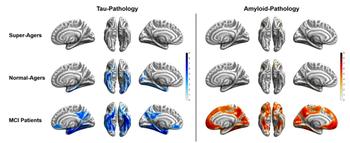
Images reveal older adults with above-average cognitive abilities have a resistance to tau and amyloid proteins.

Artificial intelligence tools have many drawbacks and face many barriers to clinical implementation, and radiologists must pay close attention to how – and what kind of – data is used in models.

Using 18F-DCPyL PSMA PET/CT can pinpoint more cancers in men who have biochemical failure with initial treatment.